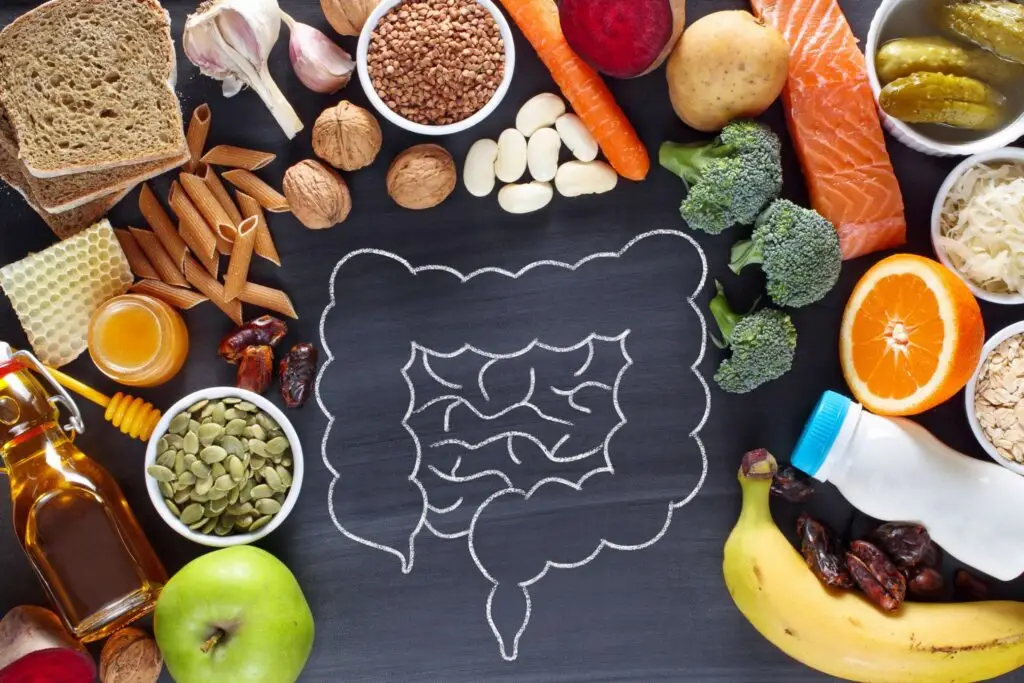

Easy food swaps can support sustainable weight loss by helping you feel fuller, reducing hidden sugars and making your meals more balanced without asking you to start another strict diet. The most effective swaps are the ones you can repeat most days, because small changes done consistently matter far more than a perfect week followed by giving up.
If you have spent years trying to be good, cutting out foods you enjoy and then feeling frustrated when it does not last, this approach can feel like a relief. The aim is not to eat less and less. It is to eat in a way that gives your body what it needs, keeps hunger manageable and gently supports a healthy weight over time.
Do food swaps really help with weight loss?
Yes, food swaps can help with weight loss when they make your usual meals more satisfying and nourishing. They are not magic, but they can make it easier to create a gentle energy deficit without constant calorie counting or willpower battles.
In practice, useful food swaps tend to do three things:
- Add more protein, fibre or volume to your meals
- Reduce foods that are very easy to overeat without feeling full
- Keep meals enjoyable enough that you can carry on long term
Fibre is especially helpful because it slows digestion, supports gut health and helps meals feel more filling. The NHS advises adults to aim for around 30g of fibre per day, but many people in the UK do not reach that. You do not need to jump there overnight, especially if you are prone to bloating or IBS symptoms, but gradually increasing fibre-rich foods can make a real difference.
A quick guide to 12 easy food swaps for weight loss
| Instead of | Try | Why it may help |
|---|---|---|
| Sugary cereal | Porridge, eggs or Greek yoghurt | More protein and fibre at breakfast |
| Flavoured yoghurt | Plain Greek yoghurt with fruit | Less added sugar and more control over sweetness |
| White bread or wraps every day | Seeded, rye or wholegrain options | More fibre and longer-lasting fullness |
| Crisps or biscuits as a snack | Nuts, oatcakes, hummus, fruit or roasted chickpeas | More nutrients and better appetite control |
| Sugary drinks | Sparkling water, herbal tea or infused water | Fewer liquid calories without losing refreshment |
| White pasta or rice | Wholegrain versions, lentil pasta or half-and-half portions | More fibre and steadier energy |
| Creamy sauces | Tomato, vegetable or yoghurt-based sauces | Lighter meals with plenty of flavour |
| Large takeaway portions | A plated portion with salad or veg | Better balance without banning takeaways |
| Diet snack bars | Whole-food snacks with protein and fibre | More satisfying and less processed |
| Evening sweets on autopilot | A planned sweet option with protein or fruit | Enjoyment without grazing all evening |
| Alcohol most evenings | Alcohol-free alternatives or more alcohol-free days | Better sleep, hydration and appetite awareness |
| Calorie-counted diet meals | A balanced plate | More sustainable and easier to adapt |
1. Swap sugary cereal for porridge, eggs or Greek yoghurt
Many breakfast cereals look healthy on the front of the box but can be low in protein and high in added sugar. If you find yourself hungry again by 10.30am, your breakfast may simply not be giving your body enough to work with.
Try porridge made with milk or fortified plant milk, topped with berries, chia seeds or a spoonful of nut butter. If you prefer savoury food, eggs with spinach and mushrooms on wholegrain toast can be a more satisfying start to the day. Greek yoghurt with berries and seeds is another quick option, especially if mornings are busy.
This swap is particularly helpful if you struggle with mid-morning cravings, brain fog or energy dips. A protein-rich breakfast can help keep appetite steadier, which often makes the rest of the day feel easier.
2. Swap flavoured yoghurt for plain Greek yoghurt with fruit
Flavoured yoghurts can be convenient, but some contain more sugar than people realise and very little protein. Plain Greek yoghurt or natural yoghurt gives you a better base, then you can add sweetness and flavour yourself.
Try berries, grated apple, cinnamon, chopped nuts, pumpkin seeds or a little drizzle of honey if you need it. This gives you creaminess, sweetness and texture, but usually with more protein and less added sugar than many ready-flavoured pots.
If you are dairy-free, look for an unsweetened soya or coconut yoghurt and check the label for protein content. Some dairy-free yoghurts are mostly starch and fat, so they may not keep you full for long unless you add seeds, nuts or another protein source.
3. Swap white bread or wraps for seeded, rye or wholegrain options
You do not need to give up bread to lose weight. For most people, the more useful question is what type of bread you choose and what you put with it.
Seeded, rye and wholegrain breads usually provide more fibre than white bread, which can help you feel satisfied for longer. If you have digestive issues, increase fibre gradually and notice how your body responds. Some people with IBS tolerate sourdough better than standard bread, but this is individual.
A simple lunch could be seeded toast with avocado and eggs, rye bread with tuna and salad or a wholegrain wrap with chicken, hummus and crunchy vegetables. If fibre is a priority for you, you may also find my guide to high-fibre foods that help you lose weight naturally useful.
4. Swap crisps or biscuits for snacks that include protein or fibre
There is nothing wrong with enjoying crisps or biscuits sometimes. The problem is when they become the default snack, because they are easy to eat quickly and often do not keep you full for long.
Instead, try snacks that contain protein, fibre or both. Examples include apple slices with peanut butter, oatcakes with hummus, a boiled egg with cherry tomatoes, roasted chickpeas, a small handful of nuts or Greek yoghurt with berries.
The key is not to make snacks as tiny as possible. A snack that is too small can leave you grazing for the next two hours. A more nourishing snack can prevent that constant cupboard-searching feeling.
5. Swap sugary drinks for drinks that hydrate without adding much energy
Sugary drinks, sweetened coffees, large fruit juices and some smoothies can add a lot of energy without making you feel full. This does not mean you can never have them, but if they are daily habits, they are often one of the easiest swaps to make.
Try sparkling water with lime, herbal teas, diluted juice, water infused with berries and mint or a smaller coffee with less syrup. If you drink fizzy drinks regularly, switching to a no-added-sugar version can be a useful stepping stone.
Be careful with smoothies. They can be nourishing, but they are much more filling when they contain protein and healthy fats, such as Greek yoghurt, oats, chia seeds or nut butter, rather than fruit alone.
6. Swap white pasta or rice for wholegrain versions or a half-and-half plate
Pasta, rice and potatoes can all have a place in a healthy weight-loss plan. The aim is not to remove carbohydrates, but to choose portions and types that work better for your appetite, energy and digestion.
Wholewheat pasta, brown rice, quinoa, buckwheat and lentil pasta can provide more fibre and nutrients than refined options. If your family dislikes wholegrain versions, try mixing half white pasta with half wholewheat pasta, or serve your usual pasta with extra vegetables and a protein-rich sauce.
For example, spaghetti bolognese can become more filling by adding lentils, grated carrot, mushrooms and courgette to the sauce. You still get a familiar meal, just with more volume and fibre.
7. Swap creamy sauces for tomato, vegetable or yoghurt-based sauces
Creamy sauces can be delicious, but they can also make a meal much richer without necessarily making it more filling. A simple swap is to use tomato-based sauces, blended roasted vegetables or yoghurt-based dressings more often.
Try tomato sauce with herbs, garlic and roasted peppers for pasta. Use Greek yoghurt with lemon, herbs and black pepper as a dressing for chicken, fish or roasted vegetables. Blend cooked cauliflower, garlic and a little parmesan into a creamy-style sauce if you want comfort without heaviness.
This kind of swap works well because it keeps flavour high. Weight loss becomes much harder when food feels bland, so herbs, spices, garlic, chilli, lemon juice and vinegar are your friends.

8. Swap large takeaway portions for a balanced takeaway plate
You do not need to ban takeaways to lose weight sustainably. In fact, banning them completely can make them feel more tempting and lead to all-or-nothing eating.
A more realistic swap is to change how you serve them. Put your takeaway on a plate rather than eating from the container, add salad or vegetables and save some for another meal if the portion is large. With pizza, have a couple of slices with a colourful salad. With curry, choose a protein-rich dish and add vegetables, then decide whether you need all the rice, naan and extras.
This is not about making takeaways perfect. It is about keeping them enjoyable without letting one meal turn into a weekend of feeling out of control.
9. Swap diet snack bars for whole-food snacks
Low-calorie snack bars can be useful in an emergency, but many are not as satisfying as real food. Some people find they trigger more sweet cravings, especially if they are trying to use them as a replacement for meals.
Try building snacks from whole foods instead. Cottage cheese with fruit, hummus with carrot sticks, a boiled egg, nuts with a piece of fruit or leftover chicken with cucumber can all feel more satisfying than a small bar.
This also supports a healthier relationship with food. When you choose foods because they nourish you, not just because they are low-calorie, weight management tends to feel calmer and less punishing.
10. Swap evening sweets on autopilot for a planned sweet option
Many people eat well all day, then feel pulled towards chocolate, biscuits or sweets in the evening. This is often not a failure of willpower. It may be tiredness, stress, habit, under-eating earlier in the day or simply wanting comfort.
Instead of telling yourself you cannot have anything sweet, plan something satisfying. Greek yoghurt with berries and a few dark chocolate shavings, baked apple with cinnamon, a couple of squares of dark chocolate with a cup of tea or dates filled with peanut butter can all work well.
The difference is intention. A planned sweet option feels very different from standing in the kitchen picking at biscuits because dinner did not quite satisfy you.
11. Swap alcohol most evenings for more alcohol-free days
Alcohol can make weight loss harder for several reasons. It adds energy without much fullness, can reduce inhibitions around food and may affect sleep quality. Poor sleep then tends to increase hunger and cravings the next day.
You do not have to give it up completely unless that is right for you. Start by adding more alcohol-free days or swapping some drinks for sparkling water in a wine glass, alcohol-free beer, kombucha or a herbal tea in the evening.
If you drink to unwind, it can help to replace the ritual as well as the drink. A bath, a short walk, gentle stretching, reading or phoning a friend may support the nervous system more than another glass of wine.
12. Swap calorie-counted diet meals for a balanced plate
Very low-calorie ready meals or tiny diet portions may help in the short term, but they often leave people hungry, frustrated and more likely to snack later. A balanced plate is usually more sustainable.
Aim to include a source of protein, plenty of vegetables, a portion of fibre-rich carbohydrates and a small amount of healthy fat. This might look like salmon with new potatoes, greens and olive oil dressing, or chicken chilli with beans, brown rice and salad.
If you prefer not to track calories, this way of building meals can be a helpful framework. I explain this in more detail in my article on how to lose weight without counting a single calorie.
How to make food swaps feel effortless
The best food swaps for weight loss are the ones that fit your real life. If a swap takes too much effort, costs too much or feels like punishment, it probably will not last.
Start with one or two changes rather than trying all twelve at once. Choose the swap that feels easiest and repeat it for a week. Once it feels normal, add another.
It also helps to make your environment work for you. Keep protein-rich snacks visible, prepare vegetables in advance when you can and have a few simple meals you can make without thinking. If evenings are your hardest time, plan dinner and a satisfying snack before you get tired.
Most importantly, pay attention to how you feel. Better energy, fewer cravings, improved digestion and steadier mood are all signs that your food choices are supporting you, even before the scales move.
When should you get personalised nutrition support?
General food swaps are a good starting point, but they are not a substitute for tailored advice if your health picture is more complex. Personalised support can be especially helpful if you are navigating menopause, digestive issues, high cholesterol, blood sugar concerns, cancer recovery, fatigue or a long history of dieting.
It is also worth getting support if you feel stuck despite eating healthily. Sometimes the issue is not lack of knowledge, but the balance of your meals, your stress levels, your sleep, your hormones, your gut health or the way your current routine is set up.
If you have unexplained weight loss, are undergoing medical treatment, have a history of disordered eating or are unsure whether weight loss is appropriate for you, please speak to your GP or relevant healthcare professional before making major dietary changes.
Frequently Asked Questions
What are the best food swaps for weight loss? The best swaps are the ones that increase protein, fibre and meal satisfaction while reducing foods that are easy to overeat. Good examples include swapping sugary cereal for porridge, flavoured yoghurt for Greek yoghurt with fruit and white bread for seeded or wholegrain options.
Can I lose weight with food swaps without counting calories? Yes, many people can lose weight without counting calories if food swaps help them naturally eat in a more balanced and satisfying way. You still need a gentle energy deficit, but you do not necessarily need to track every number to achieve that.
Do I need to cut out bread, pasta or potatoes to lose weight? No, you do not need to cut out carbohydrates. Choosing higher-fibre versions, watching portions and pairing them with protein and vegetables is usually more sustainable than removing them completely.
Are food swaps helpful during menopause? They can be. During perimenopause and menopause, protein, fibre and steady blood sugar can support energy, appetite and body composition, although everyone responds differently. A personalised approach is often helpful if weight gain, cravings or fatigue have changed during this stage of life.
How many food swaps should I make at once? Start with one or two. Small changes are easier to maintain, and consistency is what creates results over time. Once a swap feels normal, you can build from there.
Ready to find the food swaps that work for you?
If you would like to lose weight in a way that feels realistic, nourishing and personal to your body, I would love to help. We can look at your current meals, your symptoms, your lifestyle and your goals, then create a plan that feels doable rather than restrictive.
You can book a free 15-minute call and we can have a friendly chat about what is going on for you and how nutrition could support your next step.