
You can often ease acid reflux during menopause by adjusting meal size, eating earlier in the evening and identifying your own food triggers. Hormonal changes may play a part, but evidence that falling oestrogen directly causes reflux is limited. New or persistent symptoms should not simply be put down to menopause.
If familiar meals have started leaving you with heartburn, a sour taste or an uncomfortable burning feeling at bedtime, it can feel like another unwelcome midlife change. You do not need to begin with a long list of banned foods. A few manageable adjustments, alongside medical advice when needed, are a more useful starting point.
What does acid reflux feel like?
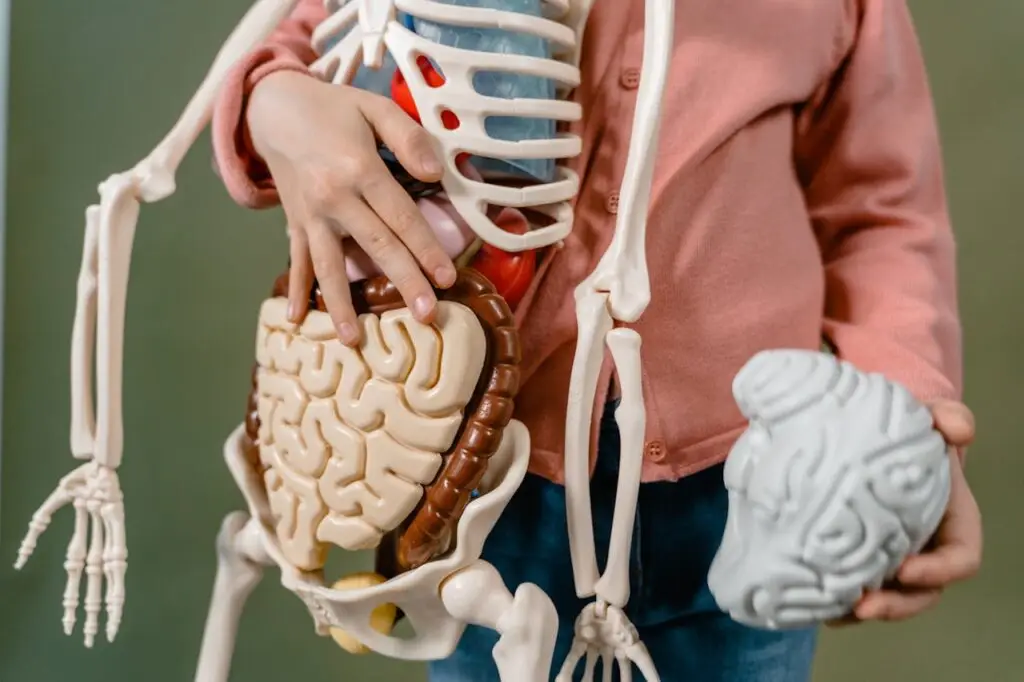
Acid reflux happens when stomach contents travel back into the oesophagus, the tube carrying food from your mouth to your stomach. A ring of muscle normally helps keep those contents down. When it does not work effectively, acid can irritate the lining above it.
Typical symptoms include burning behind the breastbone, a sour taste and food or fluid coming back into your mouth. They are often worse after eating, when bending over or when lying down. Recurrent reflux may be diagnosed as gastro-oesophageal reflux disease, often shortened to GORD.
A cough or hoarse voice can sometimes accompany reflux, but these symptoms have other possible causes too.
Do not assume chest pain is indigestion. Call 999 for sudden chest pain or pressure that does not go away, especially if it spreads to your arm, jaw or back or comes with breathlessness, sweating or feeling faint. The NHS guidance on chest pain explains when emergency help is needed.
What causes acid reflux during menopause?
There is rarely one simple explanation. Menopause can coincide with changes in sleep, stress, eating patterns and body composition, all of which may affect how you experience digestive symptoms.
Are hormones responsible?
Hormones can influence digestive function, but the relationship between menopause and reflux is not straightforward. It would be misleading to say that low oestrogen always weakens the muscle at the entrance to the stomach or automatically increases stomach acid.
Rather than assuming hormones explain everything, it helps to look at what else has changed. Have evening meals become later? Are you drinking more coffee to manage tiredness? Have symptoms appeared after a new medicine?
What other factors matter?
Large meals and lying down soon after eating can make reflux more likely. Carrying extra weight, particularly around the abdomen, can also increase pressure on the stomach, although reflux affects people across different body sizes.
A hiatus hernia, where part of the stomach moves upwards through the diaphragm, is another possible contributor. Some medicines can worsen symptoms too. Ask a pharmacist or GP to review these rather than stopping a prescribed treatment yourself.
Stress may make symptoms feel more intense and change how you eat. That does not mean the discomfort is imaginary or that relaxation alone will resolve it.
What foods can help you eat comfortably?
There is no single food that treats acid reflux during menopause. The aim is to build satisfying, balanced meals that you tolerate, then adjust the ingredients or portions that consistently cause trouble.
Simple meals can make that process easier. Try a moderate serving of porridge, a baked potato with a protein-rich topping or rice with fish, chicken or tofu and cooked vegetables. These are starting points, not guaranteed reflux-free foods.
| Meal | A practical starting point | What you might adjust |
|---|---|---|
| Breakfast | Porridge with milk or a calcium-fortified alternative | Keep the portion comfortable and test fruit toppings individually |
| Lunch | Baked potato with tuna, cottage cheese or beans | Choose a filling you tolerate and avoid an oversized meal |
| Dinner | Rice or potatoes with fish, chicken or tofu and cooked vegetables | Use a modest amount of oil and try a non-tomato sauce if tomato bothers you |
| Snack | Oatcakes, yoghurt or a small portion of fruit | Choose according to your own symptoms rather than a universal safe-food list |
Reflux management should not leave you short of nourishment. Keep protein sources, vegetables, carbohydrates and calcium-rich foods in your routine wherever possible. My guide to essential nutrients during menopause explains why maintaining nutritional variety matters at this stage of life.
Which foods and drinks are worth testing?
Coffee, alcohol, chocolate, peppermint, rich or fried meals, spicy foods, tomatoes and citrus can trigger symptoms for some people. Fizzy drinks may also be uncomfortable. None of these needs to be removed automatically if you enjoy it without symptoms.
When managing acid reflux during menopause, focus on repeatable patterns rather than blaming a food after one difficult evening. A tomato-based meal eaten early may feel very different from the same meal eaten in a large portion just before bed.
Try changing one suspected trigger at a time. For coffee, that might mean a smaller cup or less frequent servings. Decaffeinated coffee suits some people better, but it is not guaranteed to prevent reflux. If peppermint tea worsens symptoms, choose a different drink rather than assuming all herbal teas are soothing.
You do not need a fat-free diet either. Modest amounts of olive oil, nuts or oily fish may fit comfortably, even if a large fried meal does not.
How should you change meal size and timing?
Aim for comfortable portions, not restrictive eating
If large meals leave you uncomfortable, distribute food more evenly across the day. Skipping lunch and arriving at dinner very hungry can make it harder to eat a portion that feels comfortable.
Smaller meals should still provide enough food overall. For acid reflux during menopause, the goal is to reduce uncomfortable fullness without creating hunger, low energy or unnecessary weight loss.
Eat sitting upright and give yourself enough time to notice when you are comfortably satisfied. Gentle movement after eating may suit you, but bending, heavy lifting or vigorous exercise straight after a meal can aggravate symptoms.
Leave a gap before bed
The NHS advice on heartburn and acid reflux recommends avoiding food in the three to four hours before bedtime. This can be especially helpful when symptoms disturb your sleep.
Where possible, bring dinner forward rather than simply eating less. If work or caring responsibilities make that difficult, try having your main meal earlier and a smaller evening meal. Keep the plan realistic enough to repeat.
Could a short symptom diary help?
A diary can help you spot patterns without turning eating into a full-time project. For a week or two, note what you ate, approximately how much, when symptoms appeared and how soon afterwards you lay down. Include medicines, alcohol, coffee and unusually stressful days where relevant.
You do not need to count calories or label meals as good or bad. Look for patterns such as discomfort after late dinners, large portions or a particular drink.
If changing one factor improves symptoms, keep that adjustment and reassess. If symptoms continue, seek advice rather than steadily removing more foods. A diary can support a conversation with your GP or nutrition practitioner, but it cannot diagnose the cause.

What can help with reflux at night?
If reflux is worse when you lie down, meal timing is a useful place to start. You can also raise the head end of your bed by 10 to 20 cm, as recommended by the NHS, so your chest and head sit above your waist. Simply adding extra pillows is not the same and may increase pressure on your abdomen.
Clothing that feels tight around your waist can add to discomfort, particularly after dinner. Choose something comfortable rather than trying to tolerate a waistband that presses into your stomach.
These changes may reduce symptoms, but frequent waking with burning, regurgitation or coughing deserves medical attention. Poor sleep is already challenging enough during midlife without leaving a treatable digestive problem unassessed.
When should you speak to a pharmacist or GP?
Food changes are only one part of managing acid reflux during menopause. A pharmacist can advise on short-term treatments such as antacids or alginates, which help neutralise acid or form a barrier against reflux. They can also check whether a product is suitable alongside your other medicines.
Speak to your GP if you have heartburn most days, symptoms keep returning or lifestyle changes and pharmacy treatments are not helping. Your GP can assess possible causes and decide whether acid-reducing medicine or further investigation is appropriate.
Arrange a prompt medical assessment if swallowing becomes difficult, food feels stuck, you are repeatedly vomiting or you lose weight without intending to. Vomiting blood or passing black, tar-like stools needs urgent medical help.
If symptoms started after beginning or changing HRT, tell your prescriber. That timing is worth discussing, but it does not prove HRT caused the reflux. Do not stop or alter prescribed treatment without advice.
How can personalised nutrition support help?
The most useful plan is one that fits your symptoms, nutritional needs and daily life. That might mean finding an earlier dinner routine, adapting favourite recipes or making sure a smaller evening meal does not leave you under-fuelled.
My approach to acid reflux during menopause is to look at the wider picture while keeping changes practical. Digestion, sleep, appetite and changing health needs often overlap, but they should not all be attributed to hormones without assessment.
Through my menopause nutrition support, we can explore food patterns and build a personalised plan alongside any medical care you need. Support is available in person in Cheshire or by video call across the UK.
Frequently Asked Questions
Is acid reflux a normal menopause symptom? Some women notice reflux during perimenopause or after menopause, but it is not a symptom you should automatically dismiss as hormonal. Frequent, new or worsening reflux needs assessment, especially if it comes with difficulty swallowing or unexplained weight loss.
Will acid reflux during menopause eventually go away? It may improve when contributing factors are addressed, but menopause ending does not guarantee that reflux will disappear. The underlying cause, meal patterns, medicines and other health factors all matter.
Should I cut out dairy or gluten? Not routinely. Neither needs to be removed for reflux unless there is a clear individual reason or a diagnosed condition requiring avoidance. Unnecessary restriction can make it harder to meet your nutritional needs.
Can apple cider vinegar help heartburn? There is no good evidence that apple cider vinegar treats reflux, and its acidity may worsen discomfort. Reflux does not automatically mean you have too little stomach acid, so avoid trying to correct it with vinegar or acid supplements without medical advice.
Feel as though your body has changed after 40?
If you’re struggling with your weight, energy, digestion or changing health and aren’t sure what your body needs now, you don’t have to work it out alone.
Throughout September, I’m offering free Midlife Nutrition Reviews. This is an informal 15-minute call to discuss what you’re experiencing, what you’ve already tried and whether personalised nutrition support could help.