
The best foods that help hot flushes during menopause are whole, minimally processed foods that support steady blood sugar, hydration and gentle hormone balance. In practical terms, that means soya foods, flaxseed, pulses, vegetables, wholegrains, oily fish, nuts and seeds, alongside plenty of fluids. They will not switch flushes off overnight, but they may help reduce the frequency or intensity for some women.
If you are waking drenched at night, feeling heat rise suddenly through your chest and face or noticing flushes after certain meals, you are not imagining it. Food is not the only factor, because hormones, stress, sleep, alcohol, medication and room temperature can all play a part. But what you eat each day can either calm the system down or make it more reactive.
Why can food influence hot flushes?
Hot flushes are linked to changes in oestrogen, which can affect the part of the brain involved in temperature control. The NHS describes hot flushes and night sweats as common symptoms of menopause, and many women notice that they are worse during periods of stress, poor sleep or irregular eating.
Nutrition matters because blood sugar, hydration and inflammation can all influence how resilient your body feels. If you skip meals, rely on caffeine and then reach for something sugary in the afternoon, your blood sugar may rise and fall sharply. For some women, those dips seem to make flushes, anxiety and palpitations feel more intense.
Food can also support your body with nutrients needed for nervous system balance, healthy blood vessels and hormone metabolism. That is why the aim is not a strict menopause diet. It is to build steady, nourishing meals that work with your life and symptoms.
Foods that help hot flushes: what to eat more often
The most helpful approach is to focus on food patterns, not a single miracle ingredient. One spoonful of flaxseed will not undo a stressful day with no lunch, but a consistent way of eating can make a real difference to how stable you feel.
Soya foods and phytoestrogens
Soya foods contain isoflavones, which are a type of phytoestrogen. Phytoestrogens are natural plant compounds that can have a mild oestrogen-like effect in the body, although they are much weaker than the oestrogen your body produces.
Traditional soya foods such as tofu, tempeh, edamame beans, soya milk and soya yoghurt may be worth trying if hot flushes are one of your main concerns. Research is mixed, but some women find regular intake helpful, especially when it is part of an overall balanced diet. If you would like a deeper explanation, I have written more about how phytoestrogens may ease menopausal symptoms.
Start gently if you are not used to soya. For example, you might swap dairy milk for fortified soya milk in porridge or add edamame beans to a salad at lunch.
Flaxseed, lentils, chickpeas and beans
Ground flaxseed is another useful food because it contains lignans, a different type of phytoestrogen, as well as fibre and healthy fats. Use ground rather than whole flaxseed, as whole seeds often pass through the digestive system without being fully broken down.
Lentils, chickpeas, black beans, kidney beans and split peas are also worth including. They provide fibre and plant protein, both of which support steadier blood sugar. The most useful foods that help hot flushes often do more than one job at once, and pulses are a good example because they are filling, gut-friendly and versatile.
If beans make you bloated, begin with small portions and rinse tinned beans well. You could add two tablespoons of lentils to soup, mix chickpeas into roasted vegetables or use hummus as a snack with oatcakes and cucumber.
Protein at every meal
Protein helps slow down the release of energy from your meal, which can reduce the blood sugar swings that sometimes aggravate menopause symptoms. It also supports muscle mass, which becomes especially important from midlife onwards.
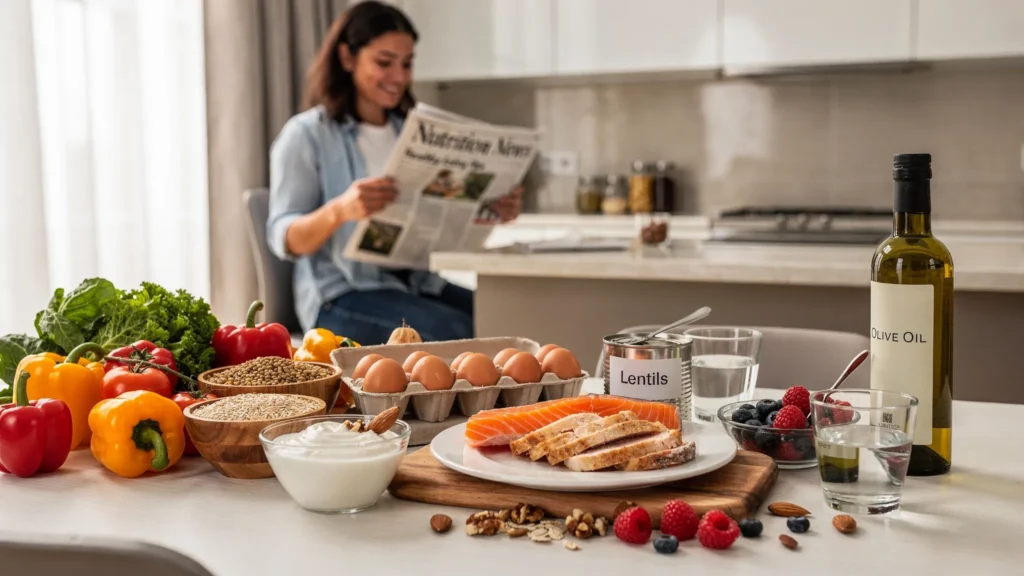
Good options include eggs, fish, chicken, turkey, Greek yoghurt, cottage cheese, tofu, tempeh, lentils, beans, nuts and seeds. You do not need a huge portion, but you do need enough to keep you satisfied. A slice of toast and jam may leave you hungry within an hour, while toast with eggs, avocado or hummus is likely to sustain you for longer.
Oily fish, nuts and seeds
Oily fish such as salmon, sardines, trout and mackerel contains omega 3 fats, which support heart health and may help the body manage inflammation. During and after menopause, heart and metabolic health become increasingly important, so these foods are valuable even if their effect on flushes is indirect.
If you do not eat fish, include chia seeds, walnuts, hemp seeds and ground flaxseed. Plant omega 3 is not used by the body in exactly the same way as fish omega 3, but these foods still bring useful fats, minerals and fibre.
| Food group | Examples | Why it may help |
|---|---|---|
| Phytoestrogen-rich foods | Tofu, tempeh, edamame, soya milk, ground flaxseed | May gently support hormone balance for some women |
| Protein foods | Eggs, fish, Greek yoghurt, lentils, chicken, tofu | Helps stabilise blood sugar and reduce energy dips |
| Fibre-rich carbohydrates | Oats, rye bread, brown rice, quinoa, beans | Supports gut health, fullness and steadier energy |
| Healthy fats | Oily fish, walnuts, chia seeds, olive oil, avocado | Supports heart health, inflammation balance and satisfaction |
| Water-rich foods | Cucumber, berries, melon, soups, leafy greens | Helps hydration, which may support temperature regulation |

What should a hot flush-friendly day of eating look like?
A simple way to bring foods that help hot flushes into your routine is to build each meal around protein, fibre, colour and fluids. This does not need to be complicated, and it certainly does not need to feel like dieting.
Breakfast might be porridge made with fortified soya milk, topped with ground flaxseed, berries and walnuts. If you prefer a savoury breakfast, eggs with rye toast, mushrooms and tomatoes would also work well.
Lunch could be a lentil and vegetable soup, a tofu and edamame salad or a jacket potato with tuna, beans or cottage cheese. Aim to include a proper protein source rather than just a light salad, as under-eating earlier in the day can make evening cravings and night sweats worse for some women.
Dinner might be salmon with roasted vegetables and quinoa, a chickpea curry with brown rice or a colourful stir-fry with tempeh, greens and noodles. If you need a snack, try Greek yoghurt with berries, hummus with oatcakes or a small handful of nuts with fruit.
The British Dietetic Association menopause food fact sheet also highlights the value of a balanced diet, calcium, vitamin D and heart-healthy choices during this stage of life.
Which drinks can help, and which might trigger flushes?
Hydration is often overlooked. When you are even mildly dehydrated, you may feel more tired, headachy and sensitive to temperature changes. Water, herbal teas, diluted vegetable-based soups and water-rich fruit and vegetables can all contribute.
Caffeine is more individual. Some women tolerate one morning coffee perfectly well, while others notice flushes, anxiety or palpitations after caffeine. If you suspect it is affecting you, reduce gradually rather than stopping suddenly, especially if you are used to several cups a day.
Alcohol is one of the most common triggers I hear about in clinic. Red wine in particular can be a problem for some women, although any alcohol may worsen night sweats and sleep quality. If you are curious about this connection, my article on whether alcohol can make perimenopause symptoms worse explains it in more detail.
Are there foods that make hot flushes worse?
Even when you increase foods that help hot flushes, it is worth watching for your personal triggers. Common culprits include alcohol, large amounts of caffeine, very spicy meals, high-sugar snacks and heavy evening meals. These do not affect everyone, so there is no need to remove everything at once.
A symptom diary can be very useful for two weeks. Note what you ate, your caffeine and alcohol intake, stress levels, sleep, room temperature and when flushes happened. Patterns often become clearer when you see them written down.
Try not to turn this into another strict food rule book. Menopause can already feel unpredictable, and the goal is to create more steadiness, not fear around food. If you love spicy food but notice it triggers flushes at night, you might simply enjoy it earlier in the day or reduce the heat.
How quickly might food changes help hot flushes?
Some women notice improvements within a couple of weeks, especially if they start eating more regularly, drinking more water and reducing alcohol. For phytoestrogen-rich foods such as soya and flaxseed, it may take longer and consistency matters.
I usually encourage clients to give changes around six to twelve weeks where possible, unless a food clearly does not suit them. This gives enough time to notice trends in flushes, sleep, digestion and energy. You may also find that the same nutrition changes support other menopause concerns such as cravings, mood, weight management and brain fog.
If your symptoms are severe, sudden or affecting your quality of life, please speak to your GP. Nutrition can sit alongside medical options such as HRT, and you deserve support that looks at the whole picture. For a broader guide, you may also find my article on managing menopause through food helpful.
Frequently Asked Questions
What are the best foods that help hot flushes? Soya foods, ground flaxseed, lentils, beans, vegetables, wholegrains, oily fish, nuts and seeds are good places to start. They may support hormone balance, blood sugar control, hydration and heart health during menopause.
Can soya really help with hot flushes? Soya may help some women because it contains isoflavones, a type of phytoestrogen. It tends to work best when eaten regularly as part of meals, rather than taken randomly or relied on as the only change.
Should I avoid caffeine if I have hot flushes? Not always, but it is worth testing your tolerance. If coffee or strong tea seems to trigger flushes, anxiety or poor sleep, try reducing gradually and notice how your body responds.
Can diet stop hot flushes completely? Diet cannot guarantee that hot flushes will stop completely, because hormones, stress, sleep and medical factors all matter. However, nutrition can support your body and may reduce the intensity or frequency of symptoms for some women.
Is it better to take supplements or change my food first? Food is usually the best starting point because it gives you fibre, protein, healthy fats and micronutrients together. Supplements may be useful in some cases, but they should be chosen around your health history, medication and actual needs.
If hot flushes are making daily life or sleep harder, you do not have to work it all out alone. As a naturopathic nutritionist, I help women create practical, personalised plans that fit their symptoms, preferences and real routines. If you would like to talk through how nutrition could support you, I would love to hear from you. You can book a free 15-minute consultation and we can have a friendly chat about where to begin.