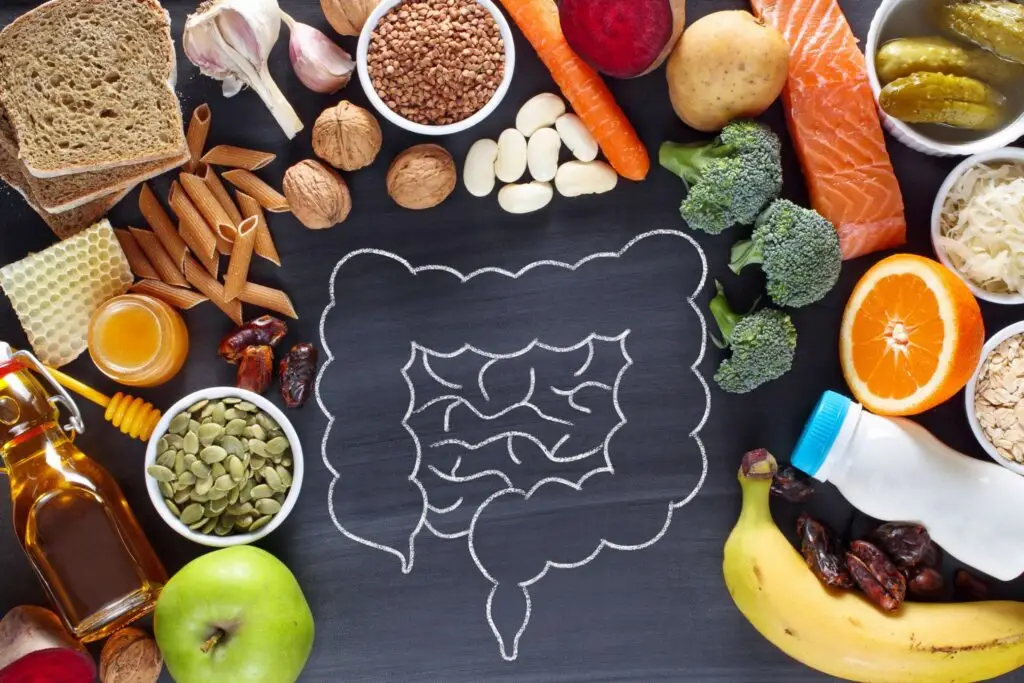

A high protein breakfast for women over 40 is usually one built around roughly 25 to 35g of protein, paired with fibre-rich carbohydrates, colourful plants and a little healthy fat. That combination may help you feel fuller for longer, support muscle maintenance, steady your morning energy and make healthy eating feel far less like willpower.
After 40, many women notice that the breakfast that used to work no longer carries them through the morning. You may feel hungrier, more tired, more prone to cravings or more aware that weight settles differently around the middle. This does not mean you need a stricter diet. Often, it means your body needs a better-balanced start.
What makes a high protein breakfast for women over 40?
A high protein breakfast for women over 40 is not just a large portion of eggs or a protein shake on its own. Ideally, it contains enough protein to make a meaningful contribution to your day, but it also includes fibre, micronutrients and foods you genuinely enjoy.
For many women in midlife, aiming for 25 to 35g of protein at breakfast is a useful starting point. Your exact needs depend on your body size, activity level, health history and goals. If you want to understand your daily target more clearly, I’ve written a fuller guide on how much protein women over 40 may need.
The British Dietetic Association explains that protein is needed for growth, repair and maintenance of body tissues. In practical terms, that means it matters for muscles, skin, immune function and recovery. If you have kidney disease or have been advised to limit protein for medical reasons, always follow your GP or consultant’s advice.
| Protein source | Example breakfast portion | Approximate protein |
|---|---|---|
| Greek yoghurt or skyr | 200g pot | 18 to 25g |
| Eggs | 2 large eggs | 12 to 14g |
| Cottage cheese | 150g serving | 18 to 22g |
| Tofu | 150g firm tofu | 18 to 24g |
| Protein powder | 1 serving, depending on brand | 20 to 25g |
The best high protein breakfast for women over 40 is one that works with your appetite, digestion, schedule and preferences. A beautiful breakfast is not much help if it takes 40 minutes on a Tuesday morning and leaves you stressed before the day has properly begun.
Why does protein at breakfast matter after 40?
From your 40s onwards, hormonal shifts linked with perimenopause and menopause can influence appetite, sleep, mood, body composition and how well you tolerate long gaps between meals. Protein is not a magic fix for these changes, but it can be a very useful nutritional anchor.
Muscle also becomes more important in midlife. We naturally tend to lose muscle as we age unless we actively protect it through enough protein, resistance exercise and overall nourishment. Muscle is not just about strength or appearance. It supports mobility, metabolic health and how confidently you move through daily life.
Breakfast is often where women under-eat protein without realising. Toast, cereal, fruit or a milky coffee can be perfectly normal foods, but on their own they may not provide enough staying power. Adding protein can help smooth out the energy dips that often lead to mid-morning biscuits, grazing or feeling ravenous by lunch.
10 high protein breakfast for women over 40 ideas to try
These ideas are flexible rather than prescriptive. Brands, serving sizes and recipes vary, so the protein figures are approximate. Use them as inspiration and adjust the portions to suit your hunger, goals and digestion.
Quick breakfasts for busy mornings
| Breakfast idea | How to build it | Approximate protein |
|---|---|---|
| Greek yoghurt bowl | Greek yoghurt or skyr with berries, ground flaxseed and pumpkin seeds | 25 to 30g |
| Cottage cheese toast | Cottage cheese on rye or sourdough with tomatoes, herbs and black pepper | 25 to 30g |
| Protein porridge | Oats cooked with milk, then stirred with Greek yoghurt or protein powder | 25 to 35g |
| Overnight oats with skyr | Oats, skyr, chia seeds, berries and cinnamon prepared the night before | 30g |
| Smoothie with protein | Protein powder, Greek yoghurt, berries, spinach and flaxseed blended with milk | 25 to 35g |
More filling breakfasts when you have time
| Breakfast idea | How to build it | Approximate protein |
|---|---|---|
| Scrambled eggs and smoked salmon | Eggs with smoked salmon, spinach and mushrooms on wholegrain toast | 30 to 35g |
| Tofu scramble | Firm tofu with turmeric, peppers, mushrooms and a small portion of beans | 25 to 30g |
| Omelette with feta and vegetables | Eggs, feta, spinach, tomatoes and leftover roasted vegetables | 25 to 30g |
| Mackerel on toast | Tinned mackerel or smoked mackerel with lemon, cucumber and wholegrain toast | 25 to 30g |
| Breakfast wrap | Wholemeal wrap with eggs or chicken, avocado, salad and yoghurt dressing | 30 to 35g |
If you use protein powder, keep it simple. It can be helpful on rushed mornings or when appetite is low, but it should not replace a varied diet of whole foods. If you are unsure what to look for, this UK guide to clean protein powder for women may help you choose more confidently.

How to balance protein with carbs and fats
Protein is only one part of a good breakfast. If you remove carbohydrates completely, you may find yourself tired, constipated, irritable or craving sweet foods later. The aim is balance, not restriction.
A simple breakfast formula is protein plus plants plus slow-release carbohydrates plus healthy fats. That might look like eggs with spinach and sourdough, Greek yoghurt with berries and seeds or tofu scramble with mushrooms and a small portion of beans. The NHS Eatwell Guide is a helpful reminder that variety still matters, even when you are focusing on protein.
For a satisfying high protein breakfast for women over 40, think about what the meal is doing for you. Protein helps with fullness and repair, fibre feeds your gut bacteria and supports digestion, carbohydrates provide usable energy and fats help with flavour and satisfaction.
If you are prone to bloating or IBS-type symptoms, introduce higher-fibre additions gradually. Chia seeds, beans, lentils and large portions of raw vegetables are nutritious, but your gut may prefer small increases rather than a sudden overhaul.
Easy ways to prep breakfast ahead
Mornings can be a pinch point, especially if you are juggling work, family, caring responsibilities or poor sleep. The easier breakfast is, the more likely you are to eat something that truly supports you.
Good prep options include overnight oats, boiled eggs, mini frittatas, chopped fruit, pre-washed spinach and individual pots of yoghurt with seeds. You can also batch cook breakfast muffins made with eggs and vegetables, then store them in the fridge for two or three days.
When planning a high protein breakfast for women over 40, choose two or three repeatable options rather than trying to reinvent breakfast every day. Repetition is not boring if it reduces decision fatigue and helps you stay consistent. If you like having food ready for the week, my busy woman’s guide to batch cooking has more practical ideas.
What if you are not hungry first thing?
Not everyone wakes up ready for a full meal. Stress, poor sleep, late eating, strong morning coffee and hormonal changes can all affect appetite. If you feel queasy or have no appetite, forcing down a big plate of food may not be helpful.
Instead, start small. Try a few spoonfuls of Greek yoghurt, a boiled egg with a piece of fruit, a small smoothie with protein or cottage cheese on one oatcake. You can then have a more substantial mid-morning meal if that suits your rhythm better.
If your appetite has changed suddenly, you are losing weight without trying or you feel persistently nauseous, please speak to your GP. Nutrition support can sit alongside medical care, but unexplained symptoms should always be checked.
Common breakfast mistakes that can make midlife harder
Breakfast does not need to be perfect, but a few common patterns can leave women over 40 feeling tired, hungry or stuck with their weight.
| Common pattern | Why it may not work well | Simple upgrade |
|---|---|---|
| Coffee only | Can push hunger and cravings later in the day | Add yoghurt, eggs or a small protein smoothie |
| Toast with jam | Often low in protein and fibre | Choose wholegrain toast with cottage cheese or eggs |
| Cereal with a splash of milk | May not provide much protein | Add Greek yoghurt, nuts and berries |
| Fruit-only smoothie | Can digest quickly and leave you hungry | Add protein powder, yoghurt, tofu or nut butter |
| Granola bar on the go | Often low in protein despite healthy branding | Pair with skyr, boiled eggs or a protein-rich snack |
When I talk about a high protein breakfast for women over 40, I am not talking about diet culture or cutting out foods you enjoy. I am talking about giving your body enough nourishment in the morning so the rest of the day feels easier.
How breakfast can support weight, energy and menopause symptoms
Many women arrive in midlife feeling that their body has changed almost overnight. Weight may feel harder to manage, energy can dip and sleep disruption can affect food choices the next day. Breakfast will not solve every piece of that puzzle, but it is one of the most practical places to start.
A protein-rich breakfast may help reduce constant snacking because it improves fullness. It can also support steadier energy when paired with fibre-rich carbohydrates rather than sugary cereals or pastries alone. For women experiencing perimenopause or menopause, those steadier habits can be especially helpful because disrupted sleep and stress often amplify cravings.
If you are trying to lose weight, avoid the trap of making breakfast too small. Under-eating early in the day can backfire by increasing evening hunger. A balanced breakfast gives you structure without needing to count every calorie or follow another restrictive plan.
Frequently Asked Questions
How much protein should a woman over 40 eat at breakfast? Many women do well with around 25 to 35g of protein at breakfast, but your ideal amount depends on your weight, activity level, goals and medical history. If you are very active or trying to preserve muscle, your needs may be higher.
Is a high protein breakfast for women over 40 good for weight management? It can be helpful because protein supports fullness and may reduce the urge to snack between meals. Weight management in midlife also depends on sleep, stress, movement, hormones and overall food intake, so breakfast is one helpful piece of the picture.
Can I eat a high protein breakfast if I do not eat meat? Yes. Good vegetarian or plant-based options include Greek yoghurt, skyr, cottage cheese, eggs, tofu, tempeh, beans, lentils, soy yoghurt and protein powder. Combining plant proteins can make breakfast more satisfying and nutritionally balanced.
Do I need protein powder at breakfast? No, you do not need protein powder if you can meet your needs through food. It can be a convenient option for smoothies, porridge or busy mornings, but eggs, yoghurt, fish, tofu and cottage cheese are all excellent whole-food choices.
What is the easiest high-protein breakfast to start with? Greek yoghurt or skyr with berries, seeds and a small handful of oats is one of the easiest options. It takes minutes, needs no cooking and can be adjusted with different fruit, nuts or spices.
Feel as though your body has changed after 40?
If you’re struggling with your weight, energy, digestion or changing health and aren’t sure what your body needs now, you don’t have to work it out alone.
Throughout September, I’m offering free Midlife Nutrition Reviews. This is an informal 15-minute call to discuss what you’re experiencing, what you’ve already tried and whether personalised nutrition support could help.
BOOK YOUR FREE MIDLIFE NUTRITION REVIEW: https://www.traceywarrennutrition.co.uk/appointment/