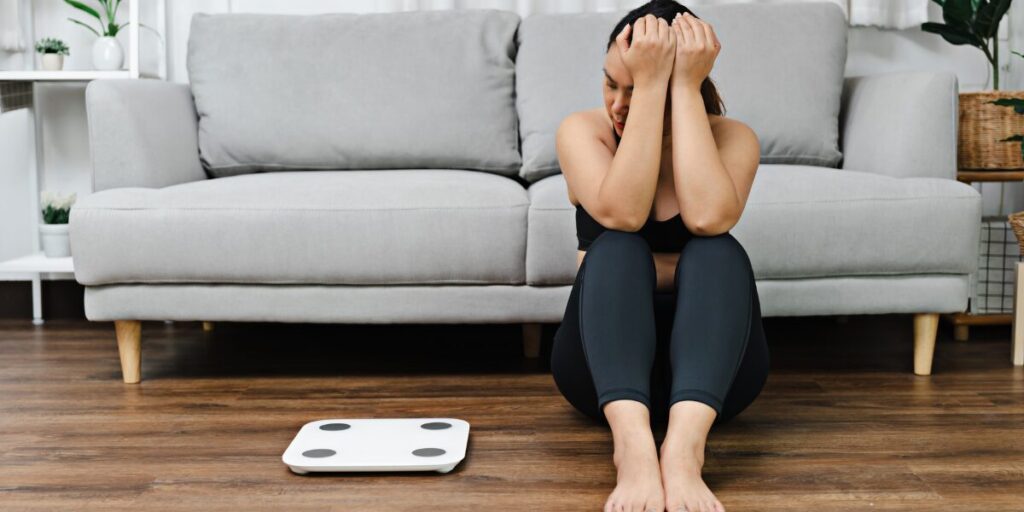

Perimenopause constipation is commonly linked to shifting hormones, slower gut movement, stress, disrupted sleep, lower activity levels and changes in how you eat or drink. It is very common in midlife, but it is not something you simply have to put up with. Gentle nutrition and lifestyle changes can often support more regular, comfortable bowel movements.
If your constipation is sudden, severe, persistent or comes with symptoms such as blood in your stool, unexplained weight loss or ongoing abdominal pain, please speak to your GP. Nutrition can be very supportive, but new bowel changes should always be taken seriously.
Why perimenopause constipation happens
Your digestive system is responsive to hormonal, emotional and lifestyle changes. During perimenopause, hormone levels do not decline in a neat, predictable line. They fluctuate, sometimes quite dramatically, and many women notice that their digestion becomes more unpredictable at the same time.
Hormone changes can slow gut rhythm
Oestrogen and progesterone help influence how the gut contracts, how sensitive it feels and how it communicates with the brain. When these hormones fluctuate, the movement of food and waste through the bowel may become slower or less coordinated.
Slower transit means stool sits in the large intestine for longer. As it sits there, more water is absorbed from it, which can make stools harder, drier and more difficult to pass. You might also notice that you feel full quickly, more bloated after meals or as though you have not completely emptied your bowels.
This is one reason constipation can appear even if you have not made any obvious changes to your diet. It can feel confusing when you are eating in the same way as before, but your body is responding differently.
Stress, sleep and the gut-brain connection
Perimenopause constipation often worsens during times of stress, poor sleep or emotional overwhelm. This is because your digestive system is closely connected to your nervous system. When your body feels under pressure, digestion is not always treated as a priority.
Many women in their 40s and 50s are juggling work, family, caring responsibilities and changing sleep patterns. Even if your diet is fairly healthy, a constantly switched-on stress response can affect gut motility, appetite, cravings and meal timing.
Poor sleep can also alter hunger hormones and blood sugar balance the next day. That may lead to more caffeine, fewer balanced meals or less motivation to cook, all of which can have a knock-on effect on digestion.
Why bloating and constipation often arrive together
When stools move slowly through the bowel, gas can build up and the abdomen may feel tight, heavy or uncomfortable. This is why constipation and bloating so often go hand in hand during perimenopause.
If bloating is one of your main symptoms, I have written separately about why bloating can feel worse during perimenopause. It may be connected to constipation, but food tolerance, stress, gut bacteria and blood sugar swings can all play a part too.
What else can make your bowels sluggish after 40?
Hormones matter, but they are rarely the whole story. With perimenopause constipation, it is worth looking at the everyday factors that can either support or slow your bowels.
Some contributors are obvious, such as not drinking enough water. Others are easier to miss, including low fibre intake, irregular eating, painkillers, iron supplements or reduced movement after an injury or busy period.
| Possible contributor | How it may affect digestion | Gentle first step |
|---|---|---|
| Low fibre intake | Stools may become smaller, harder or slower to pass | Add fibre gradually through whole foods |
| Not enough fluid | The bowel absorbs more water from stool | Keep water visible and sip regularly |
| Skipping meals | The gut has fewer natural movement signals | Eat regular, balanced meals where possible |
| Reduced movement | Gut motility may slow when the body is sedentary | Try short walks after meals |
| Certain medications or supplements | Some can contribute to constipation | Ask your GP or pharmacist for advice |
| Stress and rushing | The body may hold tension in the gut and pelvic floor | Build in calm toilet time without rushing |
Constipation can also be linked with conditions such as an underactive thyroid, pelvic floor issues or irritable bowel syndrome. If your symptoms are ongoing, it is sensible to get them checked rather than assuming it is all hormonal.
Gentle food changes for perimenopause constipation
The most helpful approach to perimenopause constipation is usually not a harsh cleanse or a very high-fibre diet overnight. In fact, suddenly adding large amounts of fibre can make bloating and discomfort worse, especially if your gut is already sensitive.
A gentler approach is to build up fibre, fluid and bowel-supportive foods in a steady way, while keeping meals satisfying and realistic for your life.
Increase fibre slowly
Fibre adds bulk to stool, feeds beneficial gut bacteria and helps support regular bowel movements. In the UK, the NHS advises that adults should aim for about 30g of fibre per day, but many people eat much less than this.
Rather than jumping straight to a large bowl of bran, start by adding one or two fibre-rich foods each day. Good options include oats, lentils, beans, chickpeas, chia seeds, ground flaxseed, berries, apples, pears, vegetables and wholegrains.
Ground flaxseed can be particularly useful because it contains fibre and healthy fats. Try one teaspoon a day to begin with, stirred into porridge or yoghurt, then increase gradually if it suits you. Always increase water alongside fibre.
Use food variety, not restriction
Your gut likes variety. A narrow diet, even a so-called healthy one, can reduce the range of fibres and plant compounds reaching your gut bacteria.
Try to include different colours and textures across the week: leafy greens, root vegetables, pulses, nuts, seeds, fruit, herbs and spices. If you are unsure where to start, my guide to perimenopause nutrition tips for better hormone balance explains how balanced meals can support hormones, energy and digestion together.

Try naturally bowel-supportive foods
Some foods are traditionally used to support regularity and may be worth trying if they suit you. Kiwi fruit, prunes, oats, ground flaxseed and pulses can all be helpful additions.
For example, you might try two kiwi fruits daily for a couple of weeks, or add a small portion of soaked prunes to breakfast. If you are prone to bloating or IBS-type symptoms, introduce these foods slowly and notice how your body responds.
It is also worth looking at breakfast. Many women find that a protein and fibre-rich breakfast helps stimulate the natural bowel reflex that happens after eating. Porridge with ground flaxseed and berries, eggs with vegetables and sourdough, or Greek yoghurt with chia seeds and fruit can all be gentle options.
Hydration, movement and toilet habits matter too
For many women, perimenopause constipation improves most when food changes are combined with simple daily routines. Your bowel responds to rhythm: regular meals, fluid, movement and enough time to go to the toilet.
Hydration is especially important when increasing fibre. Water helps keep stool softer and easier to pass. Herbal teas, soups and water-rich foods such as fruit and vegetables can contribute too, although plain water is still a useful foundation.
Movement does not need to be intense. A 10 to 20 minute walk after a meal can support gut motility, blood sugar balance and stress reduction. Strength training can also be helpful in midlife because it supports muscle, metabolic health and confidence in your body.
Toilet posture can make a surprising difference. Try placing your feet on a small step so your knees are slightly higher than your hips. Lean forward, rest your elbows on your thighs and breathe slowly into your belly. Avoid straining, as this can aggravate pelvic floor tension over time.
What should you be careful with?
It is understandable to want quick relief, especially when constipation is uncomfortable. But strong laxatives, detox teas and colon cleanses are not a good long-term strategy unless recommended by a healthcare professional.
Some over-the-counter remedies may be appropriate short term, but regular reliance on stimulant laxatives should be discussed with your GP or pharmacist. Magnesium supplements are sometimes used for constipation, but they are not suitable for everyone, particularly if you have kidney problems or take certain medications.
Also be cautious with very low-carb diets. If bread, oats, potatoes, beans, fruit and wholegrains disappear from your diet, fibre often drops too. This can make constipation worse, even if the diet initially feels effective for weight loss.
If you are trying to manage midlife weight changes, a less restrictive approach is usually kinder to digestion and more sustainable. You may find this article on reducing perimenopause belly fat without restriction helpful if weight, bloating and digestion are all feeling connected.
When should you speak to a GP?
If perimenopause constipation is new for you, lasts more than a few weeks or feels significantly different from your usual pattern, please do not ignore it. Most constipation is not caused by anything serious, but bowel changes deserve proper attention.
The NHS recommends seeking medical advice for constipation if it does not improve with simple changes or if you have concerning symptoms.
Speak to your GP promptly if you notice:
- Blood in your stool or bleeding from your bottom
- Unexplained weight loss
- Persistent or severe abdominal pain
- Vomiting or being unable to pass wind
- A significant change in bowel habit that does not settle
- Ongoing constipation alternating with diarrhoea
- Fatigue, paleness or symptoms that may suggest anaemia
It is always better to check. Getting medical reassurance can also make it easier to focus on nutrition and lifestyle support without worrying in the background.
How personalised nutrition support can help
Perimenopause constipation can have several overlapping causes, which is why generic advice often falls short. One person may need more fibre and fluid. Another may need support with stress, blood sugar balance, food timing, gut sensitivity or meal structure.
As a naturopathic nutritionist, I look at the whole picture: your symptoms, food habits, health history, lifestyle, sleep, stress, medications and what you have already tried. The aim is not to hand you a rigid plan, but to create practical steps that fit your real life.
For some women, small changes make a noticeable difference. For others, constipation is part of a wider pattern that includes bloating, fatigue, cravings, hot flushes or weight changes. In that case, a personalised approach can help you understand what your body may need now, rather than trying to force it to respond the way it did in your 20s or 30s.
Frequently Asked Questions
Can perimenopause cause constipation? Yes, perimenopause may contribute to constipation because hormone fluctuations can affect gut movement, fluid balance, stress levels and sleep. It is often one part of a bigger midlife picture, rather than a standalone symptom.
What foods help perimenopause constipation? Fibre-rich whole foods such as oats, beans, lentils, vegetables, fruit, ground flaxseed, chia seeds and wholegrains may help. Kiwi fruit and prunes can also support regularity for some people, but introduce them gradually if you are prone to bloating.
How much water should I drink for constipation? Needs vary, but many adults do well with regular fluids across the day rather than trying to catch up in the evening. If you increase fibre, you will usually need to increase fluids too so stools stay softer.
Is constipation during perimenopause ever serious? It can be harmless and related to hormonal or lifestyle changes, but new, persistent or severe constipation should be checked by your GP. Seek medical advice quickly if you notice blood, unexplained weight loss, severe pain or a major change in bowel habit.
Can a nutritionist help if I also have bloating and weight gain? Yes, nutrition support can help you explore how digestion, blood sugar, meal balance, stress and hormone changes may be interacting. The plan should be personalised, realistic and focused on supporting your body rather than restricting it.
Feel as though your body has changed after 40?
If you’re struggling with your weight, energy, digestion or changing health and aren’t sure what your body needs now, you don’t have to work it out alone.
Throughout September, I’m offering free Midlife Nutrition Reviews. This is an informal 15-minute call to discuss what you’re experiencing, what you’ve already tried and whether personalised nutrition support could help.
BOOK YOUR FREE MIDLIFE NUTRITION REVIEW: https://www.traceywarrennutrition.co.uk/appointment/