
Yes, plant sterols for cholesterol can work, particularly for lowering LDL cholesterol, often called “bad” cholesterol, when they are taken consistently and at the right daily amount. They are not a stand-alone fix, but they can be a useful part of a wider cholesterol-lowering approach that includes fibre, healthier fats, movement and personalised nutrition support.
If you have recently been told your cholesterol is high, it is completely understandable to feel unsure about what to try first. There are so many spreads, yoghurts, drinks and supplements claiming to support heart health that it can be difficult to know what is genuinely helpful. My view is simple: plant sterols can be useful, but they work best when the foundations of your diet are already moving in the right direction.
What are plant sterols?
Plant sterols are natural compounds found in small amounts in plant foods such as nuts, seeds, wholegrains, legumes, fruit, vegetables and vegetable oils. They have a similar structure to cholesterol, which is why they can influence how much cholesterol your body absorbs from food and bile in the gut.
The challenge is that normal foods only contain small amounts. You would struggle to reach a therapeutic intake from whole foods alone, even with a very plant-rich diet. That is why plant sterols are often added to specific cholesterol-lowering products, such as fortified spreads, yoghurt drinks and capsules.
When clients ask me about plant sterols for cholesterol, I usually explain them as an “add-on” strategy rather than the first place to start. They may help, but they do not replace the bigger daily habits that influence cholesterol, such as eating more soluble fibre, reducing excess saturated fat and building balanced meals.
Plant sterols for cholesterol: what does the research say?
The evidence is strongest for LDL cholesterol reduction. Heart UK explains that around 1.5g to 3g of plant sterols or stanols per day can help lower LDL cholesterol, with the effect usually seen within a few weeks when taken consistently.
This does not mean everyone will see the same result. Cholesterol levels are influenced by genetics, hormones, thyroid function, insulin resistance, alcohol intake, stress, sleep, weight changes, medication and overall diet quality. For women in perimenopause and menopause, changes in oestrogen can also affect blood lipids, which is why cholesterol can rise even when eating habits have not changed dramatically.
In practical terms, plant sterols for cholesterol are most helpful when your main goal is reducing LDL. They do not usually have the same direct impact on triglycerides, blood sugar balance or inflammation, so it is worth looking at the full picture rather than focusing on one number.
How do plant sterols actually work?
Plant sterols work in the digestive tract. Because they look a little like cholesterol, they compete with cholesterol for absorption in the gut. Less cholesterol is absorbed and more leaves the body through the stool.
Your liver then draws more cholesterol out of the bloodstream to make bile acids, which can help bring LDL cholesterol down. This is a different mechanism from statin medication, which works mainly by reducing cholesterol production in the liver.
This is why plant sterols for cholesterol need to be taken every day. Their effect depends on regular intake, usually with meals. Taking them occasionally, or only when you remember, is unlikely to make a meaningful difference to your blood test results.
There is also a ceiling effect. More is not necessarily better. Taking a much higher amount than recommended will not keep lowering cholesterol indefinitely and may increase the chance of reducing absorption of some beneficial fat-soluble plant compounds, such as carotenoids. Eating plenty of colourful vegetables and fruit alongside them is a sensible way to support nutrient intake.
How much do you need each day?
Most cholesterol-lowering evidence is based on a daily intake of around 1.5g to 3g of plant sterols or stanols. Many fortified products are designed to provide this amount when used according to the label.
If you are using plant sterols for cholesterol, it is worth checking the serving size carefully. One small yoghurt drink may provide the recommended daily amount, whereas a spread may require a certain number of teaspoons per day. Capsules vary, so always read the label rather than assuming one capsule is enough.
| Option | Typical use | Helpful points | Things to consider |
|---|---|---|---|
| Fortified yoghurt drinks | Usually one small drink daily | Easy to remember and pre-portioned | Can be expensive and may contain added sugars |
| Fortified spreads | Used on toast, crackers or vegetables | Fits easily into some routines | Works best if replacing butter or high saturated fat spreads |
| Capsules | Taken according to label instructions | Useful if you prefer not to use fortified foods | Dose varies, check suitability and interactions |
| Whole plant foods | Nuts, seeds, legumes, vegetables and wholegrains | Excellent for overall heart health | Usually too low in sterols to reach therapeutic intake alone |
Try not to see fortified foods as a free pass to ignore the rest of your diet. A plant-sterol yoghurt drink alongside a low-fibre, high saturated fat diet is unlikely to give you the result you are hoping for.

Food sources, fortified foods or supplements: which is best?
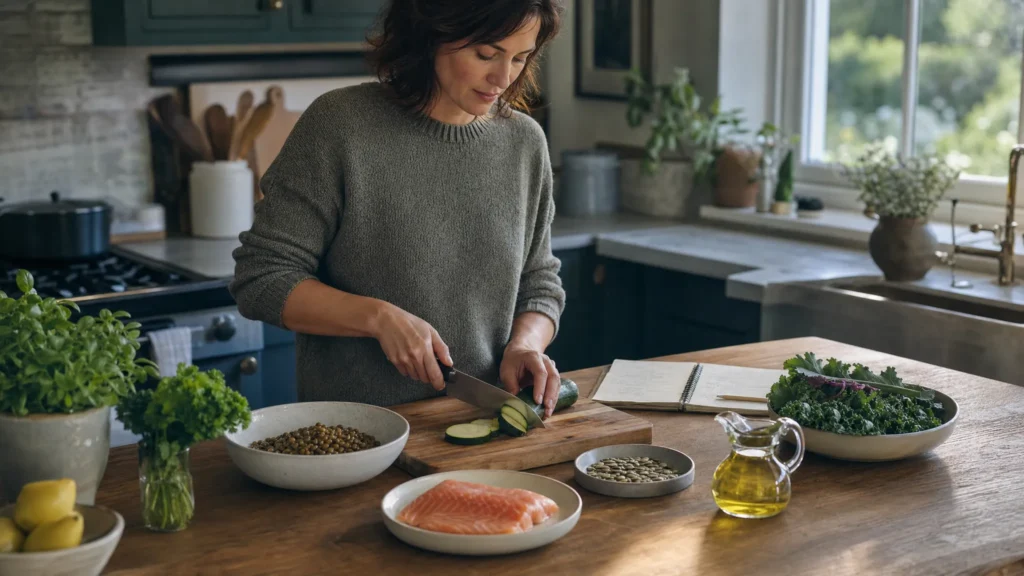
My preference is always to start with food foundations first. That means building meals around vegetables, beans, lentils, oats, barley, nuts, seeds, olive oil, oily fish if you eat it and other minimally processed foods. These choices support cholesterol in several ways, not just through plant sterols.
For example, soluble fibre binds with bile acids in the gut and can help the body clear cholesterol. If you want to strengthen that part of your diet, my guide to soluble fibre foods for cholesterol gives practical UK options such as oats, beans, lentils, apples, flaxseed and psyllium.
That said, plant sterols for cholesterol may be worth considering if your LDL remains above target despite positive food changes, or if you want an extra evidence-informed tool alongside a heart-friendly diet. Some people prefer fortified foods, while others find capsules more convenient.
If a supplement is appropriate for you, one practitioner-quality option is BioCare BioPlantarum Plus Sterols. My practitioner code P14615 provides a 20% discount. Please check the label for the correct dose and speak with a qualified practitioner, GP or pharmacist if you take medication, are under medical care or are unsure whether it is suitable for you.
Who should be cautious with plant sterols?
Plant sterols are generally considered safe for many adults, but they are not suitable for everyone. They are usually aimed at people with raised cholesterol rather than those with normal cholesterol levels.
You should seek medical advice before using plant sterols for cholesterol if you are pregnant, breastfeeding, taking cholesterol-lowering medication or have a diagnosed medical condition. They are not usually recommended for children unless advised by a healthcare professional. People with sitosterolaemia, a rare inherited condition where plant sterols build up in the body, should avoid them.
If you are having cancer treatment, recovering from treatment or taking several medications, it is especially important not to add supplements without checking first. Nutritional support can be very helpful during recovery, but it needs to sit safely alongside your medical care.
Also remember that cholesterol targets are personal. Someone with a strong family history of heart disease, diabetes or previous cardiovascular events may need a different plan from someone with mildly raised LDL and otherwise low risk. Your GP or practice nurse can help you understand your blood results in context.
What works well alongside plant sterols?
The best cholesterol results usually come from combining several small, consistent changes. If you are using plant sterols for cholesterol, I would still want to look at the rest of your plate, because LDL is only one part of metabolic health.
Key areas I often review with clients include the amount of soluble fibre they eat, the quality of dietary fats, alcohol intake, protein at breakfast, blood sugar balance, movement, sleep and stress. For example, swapping butter, cream and fatty processed meats for olive oil, nuts, seeds, pulses and fish can make a meaningful difference over time.
If you would like a broader food-based plan, my article on how to lower cholesterol naturally with food walks through the main dietary levers in a realistic way. You might also find my cholesterol-lowering recipe kit useful if you want meal ideas rather than more theory.
For many people, the sticking point is not knowing what to do. It is making the advice fit real life. That might mean quick breakfasts, portable lunches, family meals, menopause-related cravings, low energy or digestive symptoms that make a high-fibre diet feel tricky at first.
A practical way to try them
If you are curious about plant sterols, give yourself a clear trial period rather than dipping in and out. Cholesterol changes are best measured through blood tests, not guesswork.
A simple approach could look like this:
- Choose one plant sterol product and use it as directed every day, ideally with meals.
- Keep the rest of your cholesterol-supportive habits consistent, especially fibre and saturated fat swaps.
- Arrange a repeat cholesterol test after an appropriate interval, often around 8 to 12 weeks, depending on your GP’s advice.
- Review the full lipid profile, including LDL, HDL, triglycerides and non-HDL cholesterol.
This makes it easier to see whether plant sterols for cholesterol are helping you personally. If your numbers do not move, it does not mean you have failed. It simply means you may need a different strategy, a more personalised review or a conversation with your GP about other contributors.
Frequently Asked Questions
Do plant sterols lower cholesterol quickly? They may start to lower LDL cholesterol within a few weeks when taken daily at the recommended amount. However, it is best to confirm your response with a follow-up blood test rather than relying on how you feel.
Can I take plant sterols instead of statins? Do not stop or change prescribed medication without speaking to your GP. Plant sterols may be used alongside medication in some cases, but this should be checked with your healthcare professional.
Are plant sterols found naturally in food? Yes, small amounts are found in plant foods such as nuts, seeds, wholegrains, legumes, fruit and vegetables. The amounts are usually much lower than the daily intake used in cholesterol-lowering studies.
Are plant sterol supplements better than fortified foods? Not necessarily. The best choice is the one that suits your routine, provides the right daily amount and is appropriate for your health situation. Some people prefer a food product, while others find capsules easier.
Should I use plant sterols if I am going through menopause? They may be helpful if your LDL cholesterol has risen during midlife, but they are only one piece of the puzzle. Menopause-related cholesterol changes often respond best to a wider plan that includes protein, fibre, healthy fats, movement, stress support and sleep.
Feel as though your body has changed after 40?
If you’re struggling with your weight, energy, digestion or changing health and aren’t sure what your body needs now, you don’t have to work it out alone.
Throughout September, I’m offering free Midlife Nutrition Reviews. This is an informal 15-minute call to discuss what you’re experiencing, what you’ve already tried and whether personalised nutrition support could help.
BOOK YOUR FREE MIDLIFE NUTRITION REVIEW
If you would like to talk through your cholesterol results, supplements or the best food changes for your body, I’d love to hear from you. We can look at what is realistic for your lifestyle and build a plan that feels supportive rather than restrictive.