Prediabetes Diet: What to Eat + 23 Easy Recipes | Tracey Warren Nutrition
Free practical guide • UK

Prediabetes: what to eat and what to do next

Being told your blood sugar is high can make food suddenly feel complicated. This guide turns it back into ordinary meals: what to put on your plate, what matters most, 23 realistic recipes, a 7-day example week and a simple action plan.

23 recipes7-day meal planNo carb banningPractical food swapsFree
Start with the basics
Prediabetes nutrition and lifestyle guide showing a balanced meal and practical healthy eating at home
First: understand the result

Prediabetes is a warning sign — not a verdict

Prediabetes (also called non-diabetic hyperglycaemia) means your average blood glucose is higher than the normal range but not in the diabetes range. It often causes no symptoms, which is why a blood test matters.

Below 42 mmol/molBelow the usual UK threshold for non-diabetic hyperglycaemia
42–47 mmol/molPrediabetes / non-diabetic hyperglycaemia range
48 mmol/mol or aboveDiabetes range — diagnosis and any repeat testing are handled by your healthcare team
The useful bit: for some people, HbA1c can return below the prediabetes range. Even when it does not, sustainable changes can reduce the chance of progression to type 2 diabetes and improve wider health. There is no one-size-fits-all “prediabetes diet”.
Ask what support is available: if you have been told you have prediabetes, ask your GP whether you are eligible for the Healthier You NHS Diabetes Prevention Programme or equivalent local support.
1

Insulin has more work to do

Insulin helps move glucose from your blood into cells. In insulin resistance, the body becomes less responsive to it, so the pancreas may need to produce more.

2

One food is rarely the whole story

Genetics, age, ethnicity, activity, sleep, smoking, body-fat distribution and food patterns can all play a part. Weight alone does not cause prediabetes.

3

The pattern matters more than perfection

You do not need to eliminate every carbohydrate or eat “diabetic food”. The aim is a way of eating you can actually maintain.

Balanced plate for prediabetes with salmon, vegetables and baby potatoes
Make this your default

A plate you can use without counting anything

This is a useful starting template, not a prescription. Adjust portions for your appetite, body size, activity, medication and individual needs.

  • About half: non-starchy vegetables or salad.
  • About a quarter: protein — fish, chicken, eggs, yoghurt, tofu, tempeh, beans or lentils.
  • About a quarter: higher-fibre carbohydrate — potatoes with skin, oats, quinoa, brown/basmati rice, wholegrain bread or pasta.
  • Add: a sensible amount of olive oil, nuts, seeds or avocado.

Carbohydrate is not banned. Quality, portion and what you eat alongside it matter.

Not sure how this applies to you? If your blood sugar result sits alongside weight concerns, high cholesterol, menopause, digestive issues or medication, you do not have to piece it all together yourself. Book my free 15-minute consultation
Small changes, repeated

Small changes that can make meals more blood-sugar friendly

Healthy balanced meal for blood sugar with protein, vegetables and potatoes served together

Build the meal, don’t isolate the carb

Instead of toast, pasta, rice or cereal being most of the meal, add a clear protein source and plenty of vegetables or other fibre-rich foods.

Start with vegetables when it is easy

A salad or vegetables before or alongside the rest of the meal is a simple way to increase fibre and slow the pace of eating. Treat food-order strategies as an optional tool, not a rule you must obey.

Choose whole fruit more often than juice

Whole fruit retains its intact fibre and is generally more filling. You do not need to fear fruit.

Beyond the plate

A ten-minute walk is not “too little to count”

Physical activity helps your body use insulin more effectively. You do not need to become a gym person overnight. Walking, strength work, cycling, gardening and simply breaking up long periods of sitting all count.

One very practical habit is to take a short walk after a meal when you can. Think of it as a way to build movement into the day — not as punishment for eating.

If you have medical conditions, mobility limitations, take glucose-lowering medication, or are making a major change to your activity, discuss what is appropriate with your healthcare team.
Woman taking a relaxed walk after a meal to support healthy blood sugar and everyday movement
Keep food normal

Eat more of the foods that do more for you

This is not a “good food / bad food” list. It is a frequency guide for building a pattern that is higher in fibre and minimally processed foods and lower in sugary drinks and heavily processed foods.

More often

  • Vegetables and salad
  • Whole fruit
  • Beans, chickpeas and lentils
  • Wholegrains and higher-fibre breads
  • Fish, eggs, lean poultry, tofu and tempeh
  • Plain yoghurt or unsweetened soya yoghurt
  • Nuts and seeds
  • Olive oil
  • Water, tea and coffee without lots of added sugar

Less often / smaller portions

  • Sugary drinks, energy drinks and frequent juice
  • Sweets, biscuits, cakes and pastries as everyday snacks
  • Large portions of refined white bread, rice or pasta without much else
  • Highly processed convenience foods
  • Frequent processed meat
  • Large amounts of alcohol

“Less often” does not mean “never”. A sustainable pattern has room for real life.

7-day prediabetes meal plan example

A realistic week of what this can look like

Use this for ideas rather than treating it as a rigid prescription. Repeat meals, swap proteins, use leftovers and change portions to suit you.

Prediabetes healthy meal planning with a weekly planner, vegetables and simple batch-cooked food

Monday

B: yoghurt, berries & seeds

L: tuna & bean pot

D: chicken tray bake

Tuesday

B: eggs, mushrooms & toast

L: leftover tray bake

D: bean & lentil chilli

Wednesday

B: overnight oats

L: lentil soup

D: salmon, greens & potatoes

Thursday

B: tofu scramble

L: salmon potato salad

D: chicken/tofu stir-fry

Friday

B: cottage cheese bowl

L: hummus protein wrap

D: turkey meatballs & pasta

Saturday

B: salmon avocado toast

L: quinoa bowl

D: chickpea spinach curry

Sunday

B: favourite repeat

L: egg & edamame box

D: leftovers / family meal using the plate template

Easy swaps

Change the meal without making a second dinner

If you usually have…Try more often…Why it can help
Large bowl of cerealSmaller oats + yoghurt + berries + seedsAdds protein, fibre and fat to the carbohydrate.
White toast with jamSeeded toast + eggs / tofu / nut butterMore fibre and a clear protein or fat source.
Sandwich + crispsWholegrain wrap/sandwich with generous protein + salad + fruitMakes lunch more substantial without banning bread.
Huge pasta portionSmaller pasta portion + protein + lots of vegetablesChanges the balance of the meal rather than removing pasta.
Fruit juiceWhole fruit + waterRetains intact fibre and is usually more filling.
Biscuits when hungryYoghurt, nuts + fruit, hummus + veg, or egg + oatcakesGives the snack more protein/fibre.
The recipe kit

23 meals and snacks you can actually use

Nothing here is “diabetic food”. These are ordinary meals built around protein, fibre, vegetables and sensible portions of carbohydrate.

Breakfasts

Start with something more substantial than carbohydrate on its own.

Healthy breakfast ideas for prediabetes including eggs, Greek yoghurt, berries, seeds and overnight oats
Breakfast01

Greek yoghurt, berries & seeds

You need: Greek or soya yoghurt, mixed berries, chia or ground flaxseed, pumpkin seeds and walnuts.

Do this: Spoon everything into a bowl. Add cinnamon if you like.

Why it works: Protein, fibre and fat make this a much more balanced breakfast than cereal or toast alone.

Breakfast02

Eggs, mushrooms & seeded toast

You need: 2 eggs, mushrooms, spinach, tomatoes and 1 slice seeded wholegrain toast.

Do this: Cook the vegetables, add the eggs, and serve with toast.

Why it works: A protein-rich breakfast with vegetables and a sensible portion of carbohydrate.

Breakfast03

Overnight oats with yoghurt & berries

You need: Oats, Greek or soya yoghurt, chia seeds, milk, berries and chopped nuts.

Do this: Mix the night before and refrigerate. Add berries and nuts in the morning.

Why it works: Oats and berries bring fibre; yoghurt, chia and nuts add protein and fat.

Breakfast04

Cottage cheese breakfast bowl

You need: Cottage cheese, berries or chopped apple, cinnamon, walnuts and seeds.

Do this: Add everything to a bowl and stir.

Why it works: Quick, high in protein and easy to adapt to your appetite.

Breakfast05

Smoked salmon & avocado toast

You need: Seeded wholegrain toast, smoked salmon, avocado, cucumber, lemon and black pepper.

Do this: Top the toast with avocado, salmon and cucumber.

Why it works: Protein and fat sit alongside the carbohydrate rather than toast being the whole meal.

Breakfast06

Tofu breakfast scramble

You need: Firm tofu, turmeric, spinach, mushrooms, tomatoes and 1 slice wholegrain toast.

Do this: Crumble tofu into a pan, add vegetables and seasoning, and cook until hot.

Why it works: A substantial plant-based breakfast with protein, fibre and vegetables.

Healthy lunch ideas for prediabetes including a protein-rich grain bowl, wholegrain wrap and lentil soup
Healthy dinner ideas for prediabetes including chicken tray bake, salmon with vegetables and bean lentil chilli
Keep the recipes handy

Want the recipes in one place?

I’ve also put together a dedicated Pre-Diabetes Recipe Kit with practical meals you can come back to when you don’t want to think about what to cook.

View the Pre-Diabetes Recipe Kit
When generic advice isn’t enough

Your blood results are personal. Your nutrition plan can be too.

If you have tried to improve your diet but are still unsure what to prioritise, we can use a free 15-minute call to talk through what is going on and whether personalised nutritional therapy would be useful for you.

Supplements & prediabetes

Useful sometimes — but they are not the treatment plan

Supplements are often marketed as a shortcut for blood-sugar control. I would not build a prediabetes plan around them. The strongest foundations are still food quality, fibre, regular movement, sleep, smoking cessation where relevant, weight management where appropriate, and the medical follow-up your GP recommends.

Do not take a “blood sugar” supplement just because you have prediabetes

Products containing ingredients such as berberine, chromium, cinnamon extracts or multiple herbs are not a substitute for established lifestyle care. Evidence is mixed, product quality varies and some can interact with medicines or be unsuitable for particular health conditions.

Correct a genuine deficiency

Vitamin D, vitamin B12, iron, magnesium and other nutrients matter for general health, but taking more does not automatically improve blood glucose. If a blood test or your clinical history suggests a deficiency, treat that deficiency appropriately rather than assuming a higher dose will improve HbA1c.

Medication changes the conversation

If you take metformin, glucose-lowering medication, blood-pressure medication, anticoagulants or other regular medicines, check supplements with your GP, pharmacist or appropriately qualified practitioner before starting them.

My rule of thumb: if a supplement is being sold as the thing that will “reverse” prediabetes, be sceptical. Supplements may occasionally have a role for an individual person, but they sit underneath — not above — food, movement, sleep and medical care.
Start here

Your four-step action plan

You do not need to overhaul everything on Monday. Pick the first step that would make the biggest difference to your actual week.

Step 1

Fix one meal

Choose the meal that is currently most carbohydrate-heavy or least structured and use the plate template.

Step 2

Add movement

Choose one regular meal after which a short walk or other movement is realistic.

Step 3

Plan the danger zone

Stock one breakfast, one lunch and two snacks that stop busy days becoming “whatever is there”.

Step 4

Follow up

Keep the blood-test follow-up your GP recommends. The goal is not to guess whether it is working — it is to check.

This week I will…

The bigger picture

Sleep, stress, smoking and weight can matter too

Prediabetes is not simply a story about sugar. Poor-quality sleep, inactivity and smoking are associated with greater type 2 diabetes risk. If you are living with overweight or obesity, weight loss can have a particularly meaningful effect — but not everyone with prediabetes needs to lose weight.

The right plan depends on the person in front of it. That is why this guide gives you a strong foundation without pretending everybody needs the same prescription.

Also ask your GP about support

If you have prediabetes, you may be eligible for an NHS type 2 diabetes prevention programme or other local support. Your GP can also advise on monitoring, medication where appropriate and other cardiovascular risk factors such as blood pressure and cholesterol.

Tracey Warren, Naturopathic Nutritional Therapist
About Tracey

Practical nutrition, without turning food into a full-time job

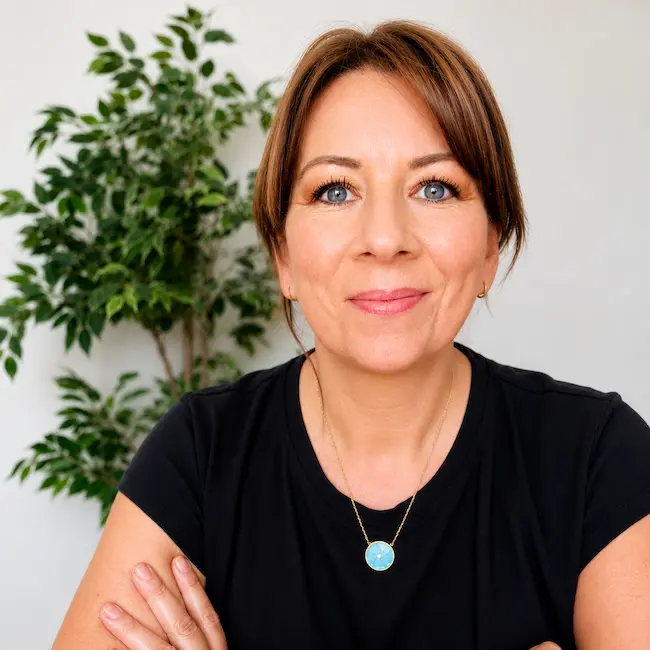
I’m Tracey Warren, a naturopathic nutritional therapist. My job is to help people understand what matters, turn it into food they will actually eat, and make the plan fit real life rather than expecting real life to fit the plan.

Tracey Warren, Naturopathic Nutritional Therapist (CNM)
Guide last reviewed: September 2026

If your prediabetes sits alongside weight concerns, cholesterol, digestive symptoms, menopause or other health issues, generic advice can quickly become confusing. That is where personalised support can help.

Book my free 15-minute consultation
Make the rest of the week easier

Related free guides

Prediabetes does not have to make food your full-time job. These resources can help with the parts of real life that often make a plan harder to stick to.

Sources & further reading

Where the clinical information comes from

This guide is written for a UK audience and is designed to sit alongside — not replace — medical care.

NHS — Diabetes and prediabetes
Plain-English NHS information on prediabetes, type 2 diabetes, risk reduction and treatment.

NHS England — Healthier You Diabetes Prevention Programme
Official information on the evidence-based NHS lifestyle programme for people at high risk of developing type 2 diabetes.

Diabetes UK — Prediabetes
Detailed UK information on HbA1c, causes, diet, activity, monitoring and reducing the risk of progression to type 2 diabetes.

NICE — Type 2 diabetes prevention in people at high risk
UK clinical recommendations covering HbA1c thresholds, monitoring, diet, physical activity and intensive lifestyle-change programmes.

Clinical guidance changes over time. If your GP or diabetes team has given you individual advice, that takes priority over this general guide.

Common questions

Prediabetes FAQs

Is prediabetes the same as type 2 diabetes?+
No. In the UK, an HbA1c of 42–47 mmol/mol is generally described as prediabetes or non-diabetic hyperglycaemia; 48 mmol/mol or above is in the diabetes range. Your clinician interprets results in context and may repeat testing.
Can prediabetes be reversed?+
For some people, HbA1c can return below the prediabetes range. There is no guarantee and there is no single diet that works for everyone, but sustainable changes to food, activity and, where relevant, body weight can reduce risk.
Do I need to cut out carbohydrates?+
No. This guide focuses on carbohydrate quality, portion, fibre and what you eat alongside it. Wholegrains, beans, lentils, fruit and potatoes can all fit into a balanced diet.
Should I stop eating fruit?+
Usually no. Whole fruit provides fibre and nutrients. Juice and smoothies are easier to consume quickly and contain less intact fibre, so whole fruit is generally the more useful everyday choice.
Do I need special diabetic foods?+
No. Ordinary foods such as vegetables, pulses, wholegrains, yoghurt, eggs, fish, tofu, nuts and seeds can form the basis of meals. ‘Diabetic’ products are not necessary.
Is walking after meals worth doing?+
Physical activity helps the body use insulin more effectively. A short walk after a meal can be a practical way to add movement, but it is part of the bigger picture rather than a treatment on its own.
Should I buy a continuous glucose monitor?+
A CGM cannot diagnose prediabetes. Diabetes UK notes that evidence for CGM use in people without diabetes is still limited. Speak to your healthcare team before using readings to make major dietary changes.
What about supplements for blood sugar?+
Supplements are not the foundation of prediabetes care and some can interact with medication. Food, activity, sleep, smoking cessation where relevant, weight management where appropriate, and medical follow-up come first.
How often should my HbA1c be checked?+
Follow the schedule your GP or healthcare professional gives you. Diabetes UK states that people with prediabetes should generally be offered at least annual HbA1c or fasting-glucose monitoring.
Need this made personal?

You do not need another stricter diet.

If you know the broad advice but are not sure how it applies to your weight, cholesterol, menopause, digestion, medication or actual working week, we can talk it through.

Book my free 15-minute consultation

Important: This guide is general education and does not diagnose or treat prediabetes or replace advice from your GP, diabetes team or dietitian. Do not stop or change prescribed medication because of this guide. Seek individual medical advice before major dietary, weight-loss or exercise changes, particularly if you have diabetes, kidney disease, are pregnant, have a history of an eating disorder, are underweight, or take medication that can affect blood glucose.

Scroll to Top