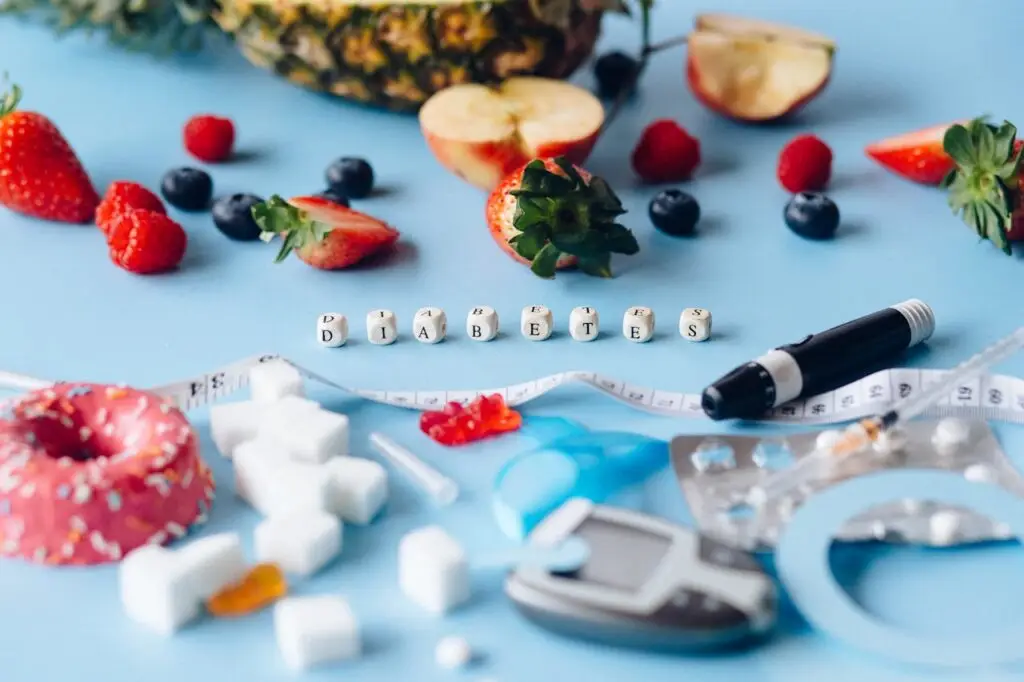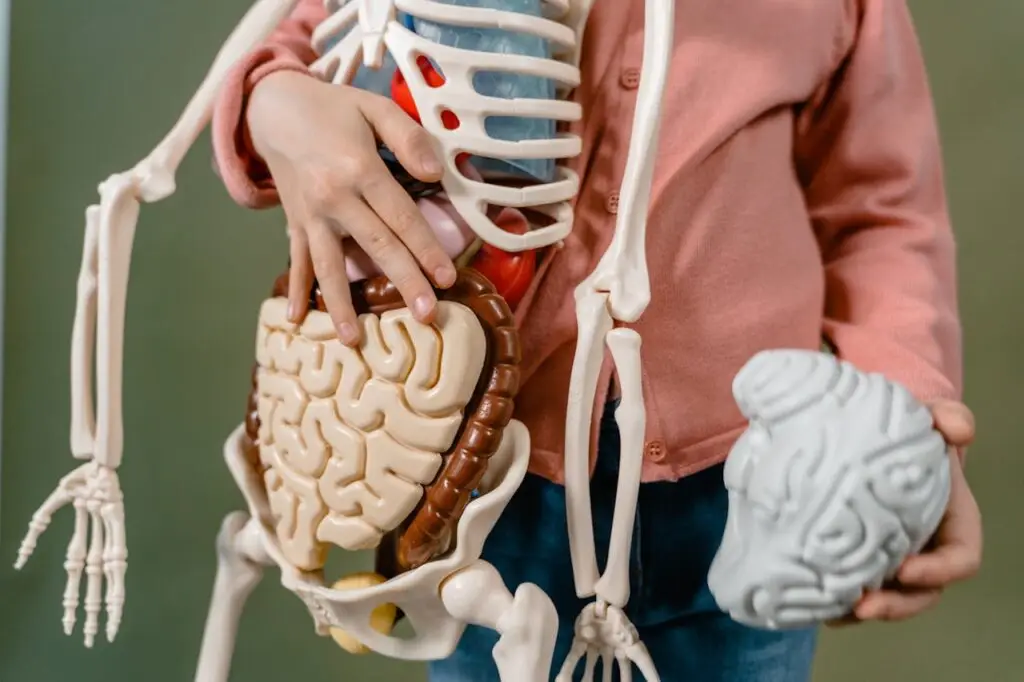

For weight loss, calories do matter, but the quality of the food you eat often matters more for making weight loss achievable and sustainable. In the question of whole foods vs calories, the most helpful answer is this: a calorie deficit is needed for fat loss, but whole foods usually make that deficit easier because they support fullness, blood sugar balance, digestion and energy.
That means you do not have to choose between “calories count” and “food quality counts”. Both are true. The real question is how to eat in a way that helps your body feel nourished rather than restricted.
The simple truth: calories matter, but counting is not the only route
Weight loss happens when your body uses more energy than it takes in over time. That is the basic energy balance principle, and it is why calories are part of the picture. The NHS healthy weight guidance also focuses on sustainable eating habits, movement and realistic changes rather than quick fixes.
But knowing that calories matter does not mean every person needs to count every mouthful. In my clinic work, many people have already tried calorie tracking, low-calorie ready meals or strict diet plans. They often come to me feeling tired, hungry, frustrated and convinced they lack willpower.
Very often, the issue is not willpower. It is that their meals are not giving their body enough of what it needs to feel satisfied.
A 400-calorie meal made from chicken, lentils, vegetables and olive oil will usually affect your appetite very differently from a 400-calorie snack-style meal of crisps, biscuits or a sugary cereal bar. The energy number may be the same, but the impact on fullness, cravings, digestion and blood sugar can be completely different.
Whole Foods vs Calories: why food quality changes the weight loss experience
When people compare whole foods vs calories, they often imagine two opposing camps. One says “just eat less”, the other says “only eat natural foods”. Real life is more nuanced.
Whole foods are foods that are close to their natural state, such as vegetables, fruit, beans, lentils, eggs, fish, meat, nuts, seeds, oats, yoghurt, potatoes and wholegrains. These foods tend to contain more protein, fibre, water, vitamins and minerals than highly processed options.
Those features matter because they influence how you feel after eating.
Protein helps you feel satisfied
Protein is important during weight loss because it supports fullness and helps protect muscle mass. This becomes especially important in midlife and beyond, when muscle naturally becomes harder to maintain unless we actively support it through protein, movement and strength-based activity.
Good protein sources include eggs, Greek yoghurt, fish, chicken, turkey, tofu, tempeh, beans, lentils, chickpeas, nuts and seeds. If you would like simple plant-rich inspiration, these high-protein one-pot bean, lentil and chickpea recipes are a lovely place to start.
Fibre supports fullness, digestion and blood sugar balance
Fibre slows digestion, adds bulk to meals and can help you feel fuller for longer. It also supports the gut microbiome, the community of bacteria and other microbes in the digestive system, which plays a role in digestion and wider wellbeing.
The British Dietetic Association explains that most adults in the UK do not eat enough fibre. A whole-food approach naturally increases fibre because it includes vegetables, fruit, pulses, oats, nuts, seeds and wholegrains.
For someone who struggles with bloating or IBS-type symptoms, increasing fibre needs to be done gently and individually. More fibre is not always better straight away. The right type, amount and pace matter.
Whole foods tend to be harder to overeat
Highly processed foods are often designed to be very easy to eat quickly. They can combine refined carbohydrates, fats, salt and flavourings in a way that encourages us to keep going even when our body has had enough energy.
A small but carefully controlled 2019 trial published in Cell Metabolism found that participants ate around 500 more calories per day when given an ultra-processed diet compared with an unprocessed diet, even though the meals were matched for calories, sugar, fat, fibre and macronutrients offered. You can read the paper in Cell Metabolism30248-7).
This does not mean you can never enjoy processed foods. It simply shows why relying heavily on them can make appetite harder to regulate.
Why calorie counting can backfire for some people
Calorie counting can be useful for short-term awareness. For example, it may help someone realise that their daily coffees, snacks or evening portions are adding more energy than expected. For some people, tracking for a week or two can be an educational exercise.
But it can also become stressful, especially if it leads to rigid rules, guilt or ignoring hunger signals. Some people start choosing foods only because they are low in calories, not because they are nourishing. That can lead to meals that are technically “diet-friendly” but low in protein, fibre and healthy fats.
The unhelpful part of whole foods vs calories debates is that they can make people feel they must pick one method and follow it perfectly. You do not. You can use calorie awareness without becoming controlled by numbers.
Here is a simple comparison:
| Focus | What it can help with | Where it can fall short |
|---|---|---|
| Calorie counting | Short-term awareness, portion insight, identifying hidden extras | Can feel restrictive, may ignore food quality, can increase food anxiety for some people |
| Whole-food eating | Better fullness, more nutrients, improved meal satisfaction, gut support | Portions still matter, energy-dense foods can still add up |
| Balanced approach | Combines awareness with nourishment and flexibility | Requires personalisation rather than a one-size-fits-all plan |
What should a weight loss plate look like?
A balanced plate is one of the simplest ways to support weight loss without obsessing over numbers. It gives your body protein for fullness, fibre-rich carbohydrates for energy, colourful plants for nutrients and fats for satisfaction.
A good starting point is:
- Half a plate of colourful vegetables or salad
- A palm-sized portion of protein
- A cupped-hand portion of fibre-rich carbohydrate, such as potatoes, oats, brown rice, beans or lentils
- A small portion of healthy fat, such as olive oil, avocado, nuts or seeds
This is not a rigid rule. Your needs will vary depending on your age, activity, hormones, health history, appetite and goals. But it is a useful visual guide, especially if tracking calories feels exhausting.

Why whole foods can be especially helpful during menopause
Many women notice that weight management feels different during perimenopause and menopause. This is not imagined and it is not a personal failing. Hormonal changes, sleep disruption, stress, reduced muscle mass and changing insulin sensitivity can all influence appetite, cravings, body composition and where weight is stored.
This is where a whole-food approach can be particularly supportive. Protein at breakfast may help reduce mid-morning cravings. Fibre-rich meals may support steadier energy. Healthy fats can make food more satisfying and support hormone production. Regular meals can also help reduce the blood sugar dips that leave you reaching for something sweet at 4pm.
It is also worth saying that simply cutting calories lower and lower is rarely the answer in midlife. Undereating during the day can lead to intense evening hunger, poorer sleep and a cycle of restriction followed by overeating.
A more supportive approach is to build meals that work with your body, not against it.
Can you lose weight eating whole foods without counting calories?
Yes, many people can lose weight by focusing on whole foods, balanced meals, portion structure and consistency rather than formal calorie counting. This works best when meals are satisfying enough to reduce grazing and when portions are appropriate for your body.
If you want to explore this further, I have written more about how to lose weight without counting a single calorie. The key is not to replace calorie counting with another strict rulebook. It is to create a way of eating that feels calm, steady and repeatable.
That might mean eating a more substantial breakfast, adding more protein to lunch, preparing a nourishing soup for busy days or making sure your evening meal contains enough vegetables and fibre to keep you satisfied.
What about treats, eating out and real life?
A healthy weight loss approach has to leave room for being human. Birthdays, restaurant meals, holidays and comfort food are part of life. The aim is not to eat perfectly. The aim is to build a strong enough foundation that occasional less-nourishing choices do not derail you.
If 80 percent of your meals are built around whole foods, protein and fibre, there is usually room for flexibility. Problems tend to arise when ultra-processed snacks, sugary drinks, alcohol or grazing become daily habits that crowd out nourishing meals.
Rather than asking “Is this food good or bad?”, try asking:
- Will this meal keep me full for the next few hours?
- Does it contain protein?
- Have I included some plants or fibre?
- Am I eating because I am hungry, stressed, tired or bored?
- What could I add to make this meal more supportive?
That last question is often the most powerful. Instead of taking foods away, you begin by adding nourishment.
A practical day of eating with weight loss in mind
This is not a prescription, but it shows how whole-food meals can support appetite without requiring calorie counting.
Breakfast might be Greek yoghurt with berries, oats, ground flaxseed and a few nuts. If you prefer savoury food, eggs with mushrooms, tomatoes and sourdough can work well.
Lunch could be lentil soup with extra vegetables and a side salad, or a chicken and avocado salad with roasted sweet potato. The aim is to include enough protein and fibre so you are not rummaging through the cupboards an hour later.
Dinner might be salmon with roasted vegetables and new potatoes, or a chickpea and vegetable curry with brown rice. If you enjoy something sweet afterwards, you might have fruit with yoghurt, a couple of squares of dark chocolate or whatever feels satisfying without turning into a grazing session.
Snacks are optional. Some people do well with them, others feel better with three balanced meals. If you do snack, choose something that contains protein or fibre, such as hummus with oatcakes, an apple with peanut butter, a boiled egg or cottage cheese with tomatoes.
When calories may need closer attention
Sometimes food quality improves but weight does not shift. This can happen if portions are larger than your body needs, if alcohol intake is creeping up, if snacks are frequent or if healthy but energy-dense foods such as nuts, oils and cheese are being eaten freely.
In that situation, you do not necessarily need to count calories forever. A short, curious review can help. You might look at portion sizes, meal timing, hunger levels, weekend habits, sleep and stress. You might also consider whether you are eating enough earlier in the day to avoid evening overeating.
A personalised approach to whole foods vs calories looks at the full picture. Your digestion, hormones, medical history, lifestyle, preferences and emotional relationship with food all matter.
The best answer is not “whole foods or calories”, it is nourishment with awareness
If you have spent years dieting, it can feel tempting to search for the one correct method. But weight loss is rarely about finding the strictest plan. It is about finding the most sustainable one.
Calories determine whether weight loss happens, but whole foods strongly influence how easy or difficult that process feels. When meals are rich in protein, fibre, colour and flavour, you are more likely to feel satisfied, energised and able to continue.
So, in the debate of whole foods vs calories, my answer is this: respect calories, but build your meals around nourishment. That is usually where lasting change begins.
Frequently Asked Questions
Do calories matter more than food quality for weight loss? Calories matter because a calorie deficit is needed for weight loss, but food quality affects hunger, cravings, energy and how sustainable that deficit feels. For most people, the best approach is calorie awareness alongside whole, satisfying meals.
Can I eat too much healthy food and still gain weight? Yes. Foods such as nuts, olive oil, cheese, avocado and wholegrain bread can be nutritious but still energy-dense. They can absolutely fit into a healthy diet, but portions still matter.
Is calorie counting bad for you? Not always. Calorie counting can be useful for short-term awareness, but it may not suit everyone. If it makes you anxious, obsessive or disconnected from hunger cues, a portion and whole-food approach may be more helpful.
What is the best way to approach whole foods vs calories after menopause? Focus on protein, fibre, strength-supporting habits, sleep and blood sugar balance rather than simply eating less. Menopause can change appetite and body composition, so a personalised plan is often more effective than a generic low-calorie diet.
How quickly will I lose weight by eating more whole foods? It varies. Some people notice better energy and fewer cravings within days or weeks, but weight change depends on portions, activity, sleep, stress, hormones and health conditions. Sustainable weight loss is usually gradual.
If you would like support finding a way of eating that works for your body and your life, I would love to help. You can also explore The Well Fed Club if you are looking for more encouragement around real-life nourishment. And if you would like to talk things through, book a free 15-minute consultation and let’s have a friendly chat about what you need.