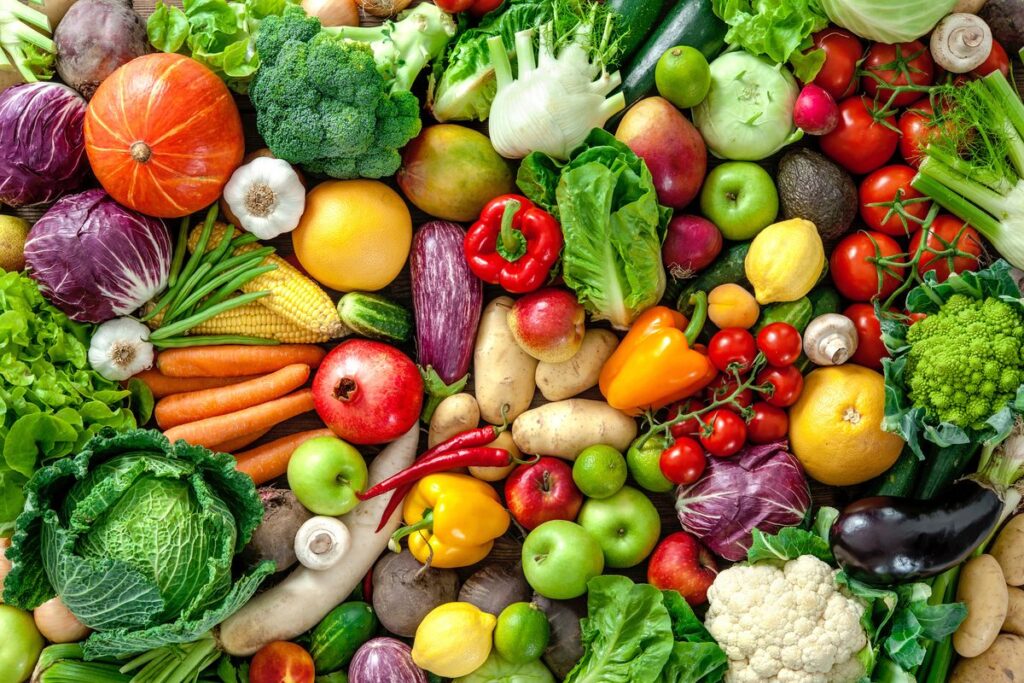
Gut symptoms have a way of creeping up quietly, then suddenly you’re dealing with bloating after “normal” meals, unpredictable bowels, new food sensitivities, or that uncomfortable feeling that your digestion just is not working properly. The good news is that, for many people, the foundations of food and nutrition for gut health can make a noticeable difference, especially when you catch the signs early.
This guide walks through the most common signs your gut health may be off, what they can mean (without jumping to scary conclusions), and the nutrition steps that tend to help first.
What “gut health” actually means (in practical terms)
When people talk about gut health, they usually mean a combination of:
- Digestion (breaking food down and absorbing nutrients)
- The gut lining (a protective barrier between the outside world and your bloodstream)
- The gut microbiome (the community of microbes living in your large intestine)
- Gut function and motility (how effectively food moves through)
- Immune and nervous system signalling (often called the gut brain axis)
That last point matters because gut issues do not always stay in the gut. Changes in digestion and the microbiome can show up as fatigue, skin flare-ups, mood changes, or altered appetite.
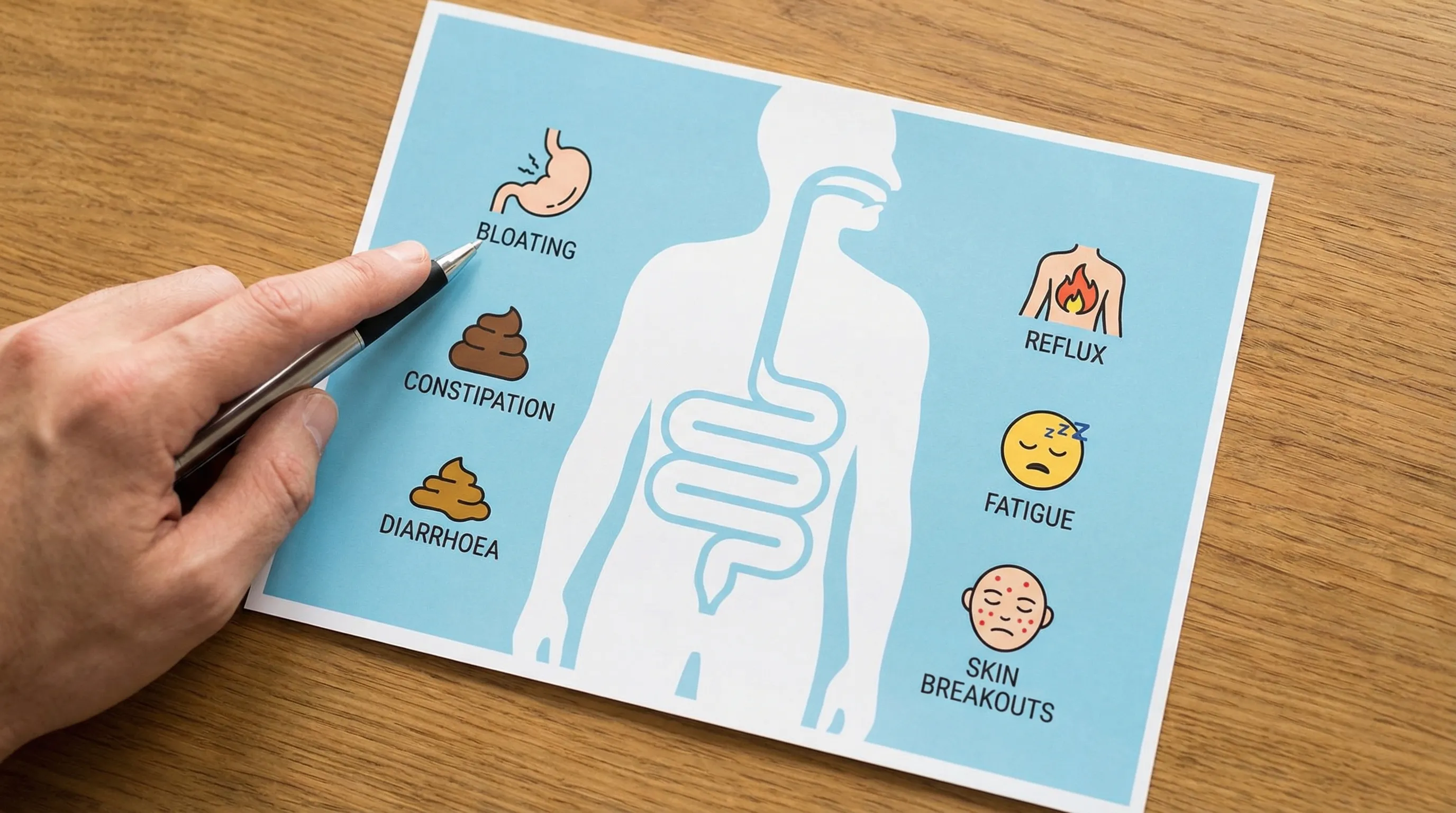
Signs your gut health may be off
Some symptoms are very common and not necessarily serious, but patterns are important. If you notice several of these together, or they are becoming your “new normal”, it is worth paying attention.
1) Bloating that is frequent or painful
Occasional bloating can be normal, especially after large meals. But regular bloating, bloating that worsens through the day, or bloating with pain can suggest:
- Fermentation of certain carbohydrates in the gut
- Constipation (even if you still go daily)
- A mismatch between your current diet and your gut’s tolerance
- Stress-related changes in digestion
2) Constipation, diarrhoea, or swinging between both
Changes in stool frequency and consistency are one of the clearest “gut off” signs. A useful reference is the Bristol Stool Chart (types 3 to 4 tend to be ideal).
If you are frequently type 1 to 2 (hard, difficult to pass), or type 6 to 7 (loose, urgent), your gut may be asking for support.
3) Excess wind, cramping, or urgency
Gas is normal. Persistent wind with discomfort, cramping after meals, or urgency can point towards IBS-type patterns, food triggers, or stress-related gut changes. Sometimes it is also a sign you have increased high-FODMAP foods (like onions, garlic, wheat, or certain fruits) faster than your gut can handle.
4) Reflux, burping, or a heavy feeling after eating
Reflux can be influenced by meal size, timing, body position after eating, alcohol, caffeine, and high-fat meals. If it is new, frequent, or you need antacids often, it is worth discussing with a GP.
5) Feeling tired, foggy, or “flat” after meals
This can be linked to:
- Blood sugar swings (especially if meals are low in protein and fibre)
- Eating quickly, distracted, or under stress
- Poor sleep affecting appetite and digestion
6) Skin changes that track with digestion
Not all skin issues are gut-driven, but many people notice a relationship between digestion and:
- Acne flare-ups
- Eczema
- Rosacea
7) Mood changes alongside gut symptoms
The gut and brain communicate constantly. If gut symptoms coincide with anxiety, low mood, or poor sleep, it can be helpful to address both sides: nutrition and lifestyle, plus appropriate medical or psychological support when needed. For readers who need specialist mental health care, an example of an integrated clinic offering psychiatric and psychological assessment is Comprehensive Psychiatric Services.
8) New or increasing food sensitivities
If it feels like more foods are “setting you off”, it may not mean you are suddenly intolerant to everything. Sometimes it is a sign your gut is more reactive right now, and a calmer, more structured approach to meals can help you identify what is actually going on.
9) Frequent illness or slow recovery
Your gut is deeply connected to immune function. If you feel run down often, it is worth looking at overall diet quality, protein intake, micronutrients, sleep, and stress.
A quick “what it could mean” table (and the first nutrition step)
This is not a diagnostic tool, but it is a helpful way to spot patterns.
| Sign your gut may be off | Common contributors | A sensible first food step |
|---|---|---|
| Bloating most days | Large meals, low fibre, high FODMAP load, constipation, stress | Eat smaller evening meals, add fibre gradually, hydrate |
| Constipation | Low fibre, dehydration, low morning intake, inactivity | Aim for regular meals, add chia/oats/veg, increase fluids |
| Loose stools | High caffeine/alcohol, stress, infections, trigger foods | Simplify meals, reduce alcohol, include soluble fibre |
| Reflux | Late meals, rich foods, alcohol, coffee, overeating | Earlier dinner, smaller portions, limit trigger drinks |
| Cramping/urgency | IBS pattern, stress, certain carbs | Trial a gentle trigger review, consider practitioner support |
| Tired after meals | Blood sugar swings, low protein, rushed eating | Add protein at breakfast and lunch, slow down |
Common reasons gut symptoms flare (especially in busy real life)
In clinic, gut symptoms often rise when several of these stack together:
- Low fibre intake and low plant variety
- A rapid increase in “healthy” foods (for example, suddenly adding lots of beans, raw veg, and bran)
- Higher ultra-processed food intake, especially with emulsifiers and low natural fibre
- Stress and poor sleep, which can change gut motility and sensitivity
- Alcohol, even at amounts people consider moderate
- Recent infections, travel bugs, or antibiotics
- Hormonal shifts, including perimenopause and menopause
If you are in or approaching menopause and noticing new digestive changes, you are not imagining it. Hormonal changes can influence gut motility, bile flow, and inflammation, and they can indirectly affect food choices and appetite too.
Food and nutrition for gut health: what to prioritise
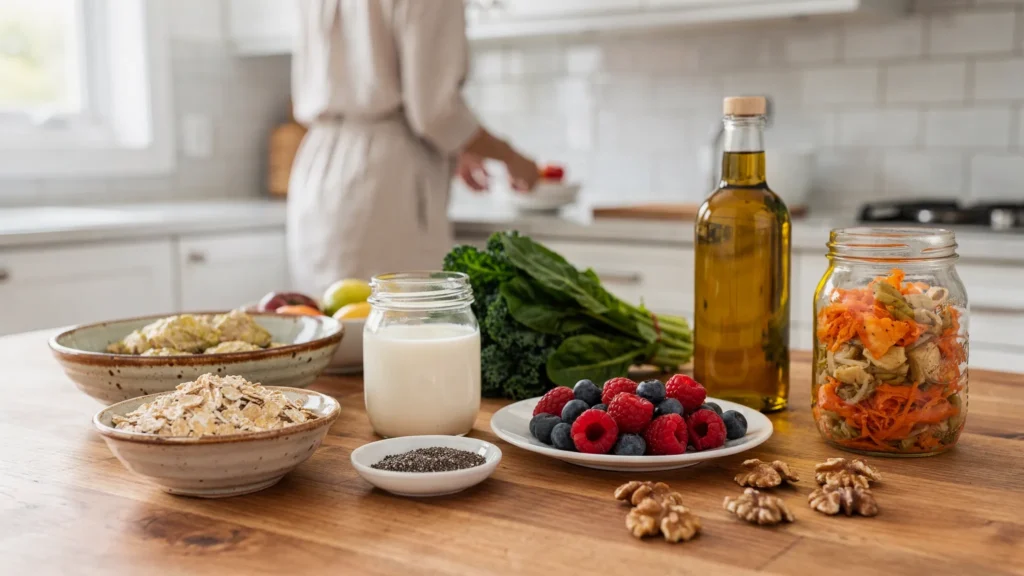
Build a “gut-friendly plate” most of the time
A simple structure is often more effective than chasing individual superfoods.
- Protein: eggs, fish, poultry, Greek yoghurt or kefir (if tolerated), tofu, tempeh, lentils (portion dependent)
- Colour and fibre: vegetables at 2 meals a day, fruit daily
- Smart carbs: oats, potatoes (especially cooled and reheated), brown rice, quinoa, sourdough (tolerance varies)
- Healthy fats: olive oil, nuts, seeds, avocado (portion matters for some)
Aim for fibre, but increase it gradually
In the UK, adults are advised to aim for 30g fibre a day. Many people get much less. The NHS has a clear overview of why fibre matters and how to increase it safely in real meals in their guide to fibre.
If you are currently low fibre, the key is slow, steady increases, alongside water. A sudden jump can worsen bloating.
Include prebiotic foods (when tolerated)
Prebiotics are fibres that feed beneficial gut microbes. Examples include:
- Oats
- Firm bananas
- Cooked and cooled potatoes or rice (resistant starch)
- Flaxseed and chia
- Onions, garlic, leeks (these can be troublesome for IBS, so use gently)
Consider fermented foods, but do not force them
Fermented foods can support dietary diversity. Options include live yoghurt, kefir, sauerkraut, kimchi, and miso.
Not everyone tolerates fermented foods well, especially if you are currently very bloated or reactive. If you try them, start with small portions and track symptoms. For a balanced evidence-based view on probiotics, the British Dietetic Association’s probiotics resource is a sensible read.
Stabilise blood sugar to calm gut stress (and cravings)
Meals that are mostly beige carbs can increase cravings and energy crashes, which then affects gut choices later. A simple lever is:
- Add 25 to 35g protein at breakfast and lunch where possible
- Pair carbs with protein, fibre, and fat
This can be especially helpful for women juggling perimenopause symptoms and weight changes.
If symptoms suggest IBS, use targeted strategies (not permanent restriction)
If you suspect IBS, a structured approach can help you avoid random cutting-out of foods.
A short-term, properly guided Low FODMAP approach is one evidence-based option for IBS-type symptoms. If you want a practical walkthrough, you can use Tracey’s guide to the Low FODMAP diet as a starting point, ideally alongside personalised support. The key is to do it as intended: elimination, reintroduction, then personalisation.
Where do supplements fit?
Supplements can be useful in specific cases, but they are not a replacement for food foundations, and they should match your symptoms, history, and medications.
If you are exploring practitioner-grade options, Tracey has a curated page of recommended supplements (including gut health categories), with appropriate cautions about checking with your GP and getting personalised advice.

A gentle 14-day plan to support your gut (without extremes)
If your symptoms are mild to moderate, this style of short plan often helps you learn what your gut responds to.
Simplify the basics
Choose 3 to 5 breakfasts and lunches you tolerate well and repeat them for two weeks. This reduces “noise” and makes patterns easier to spot.
Make fibre more consistent
Aim to include one of these daily, then build up:
- Oats or oat bran
- Chia pudding or chia in yoghurt
- 1 to 2 servings of cooked veg
- 1 piece of fruit
Prioritise regular mealtimes and slower eating
Digestion starts in the brain. Eating in a rush, eating at your desk, or skipping meals then grazing can aggravate symptoms.
Trial a “gut calm” drink reset
For two weeks, reduce or pause:
- Alcohol
- Fizzy drinks
- Multiple coffees on an empty stomach
Keep hydration steady, especially if constipation is part of the picture.
Track just two things
Avoid tracking everything. It often increases stress.
- Your main symptom (bloating, pain, stool pattern)
- Your most consistent meal pattern change (protein at breakfast, earlier dinner, or fibre goal)
When to speak to a GP (and red flags not to ignore)
Nutrition can be powerful, but some symptoms need medical assessment. Seek medical advice promptly if you have:
- Blood in your stool or black stools
- Unexplained weight loss
- Persistent vomiting
- Ongoing fever, severe abdominal pain, or symptoms that wake you at night
- New bowel habit changes that persist (especially over age 50)
- Iron-deficiency anaemia
- A strong family history of bowel cancer, coeliac disease, or inflammatory bowel disease
If you suspect coeliac disease, do not remove gluten before testing, as it can affect results.
Getting personalised gut health support in Cheshire (or UK-wide)
If you are based around Nantwich, Crewe, Chester, Sandbach, or elsewhere in Cheshire, it can be reassuring to have local support. If you are further afield, video consultations can work brilliantly for gut health too because much of the work is food, symptom patterns, and personalised planning.
Tracey Warren Nutrition offers personalised naturopathic nutrition therapy and a free 15-minute consultation, which can be a helpful first step if you are unsure whether your symptoms sound like IBS, menopause-related changes, or something else that needs referral. You can find more information at Tracey Warren Nutrition.