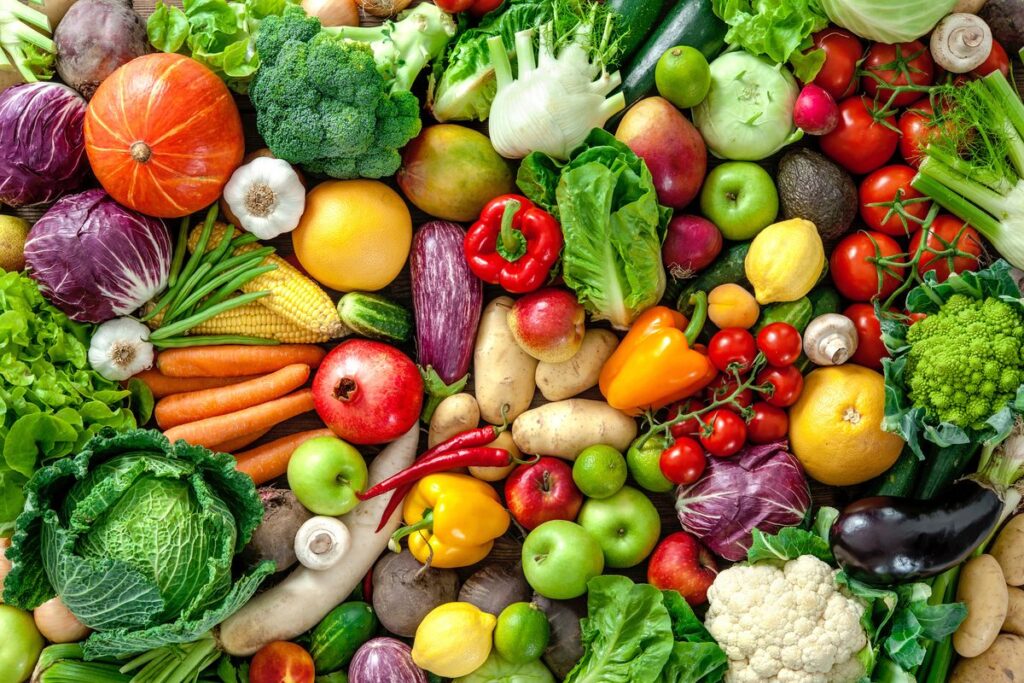

If your energy feels unpredictable, or your mood dips for no obvious reason, you are not alone. In clinic I see it all the time, especially in busy adults who are juggling work, family, and very little downtime. The good news is that a healthy diet does not have to mean an overhaul. Often, it is a handful of small, consistent changes that make the biggest difference.
This guide focuses on simple, realistic tweaks that can support steadier energy and a more resilient mood, without calorie counting or perfection.
Why a healthy diet can change your energy and mood
Energy and mood are influenced by lots of factors (sleep, stress, hormones, movement, medications, and health conditions), but food is a powerful daily lever because it affects:
- Blood sugar stability: Big swings can leave you feeling wired, then drained, and can make you more irritable and snacky.
- Brain chemistry: Your brain relies on amino acids (from protein), essential fats, and micronutrients (like B vitamins, iron, zinc, magnesium) to make and use neurotransmitters.
- Gut health: The gut and brain are closely connected via nerves, immune signalling, and gut bacteria. What you eat can support a healthier gut environment, which may influence mood and inflammation.
- Inflammation load: A diet high in ultra-processed foods and low in fibre can nudge inflammation upwards, which is linked in research to lower mood and fatigue in some people.
For a useful baseline of what “balanced” looks like in the UK, the NHS Eatwell Guide is a solid reference.
The “small changes” approach (what works in real life)
When people try to fix low energy, they often reach for big, dramatic solutions (cutting out entire food groups, strict plans, detoxes). The trouble is, they rarely stick, and they can backfire by increasing stress and cravings.
Instead, aim for small upgrades you can repeat. Here are the changes I most often see making a difference.
1) Start your day with protein (even if breakfast is small)
Many people begin the day with mainly carbohydrates (toast, cereal, pastries). There is nothing “wrong” with carbs, but carbs on their own are more likely to cause a mid-morning dip.
A protein-forward breakfast can help you feel fuller, support steadier blood sugar, and reduce the urge to snack.
Simple breakfast options:
- Greek yoghurt or skyr, berries, mixed seeds, plus a spoon of oats
- Eggs on wholegrain toast, add spinach or tomatoes
- Porridge made with milk or soya milk, add nut butter and chia seeds
- Smoothie with protein (Greek yoghurt, kefir, soya yoghurt, or a quality protein powder), plus frozen berries and spinach
- Leftovers can be breakfast too (a small portion of last night’s dinner is often more balancing than cereal)
If you are in perimenopause or menopause, this step can be especially helpful because changing hormones can make blood sugar more sensitive and sleep more fragile.
2) Build “steady energy plates” at lunch and dinner
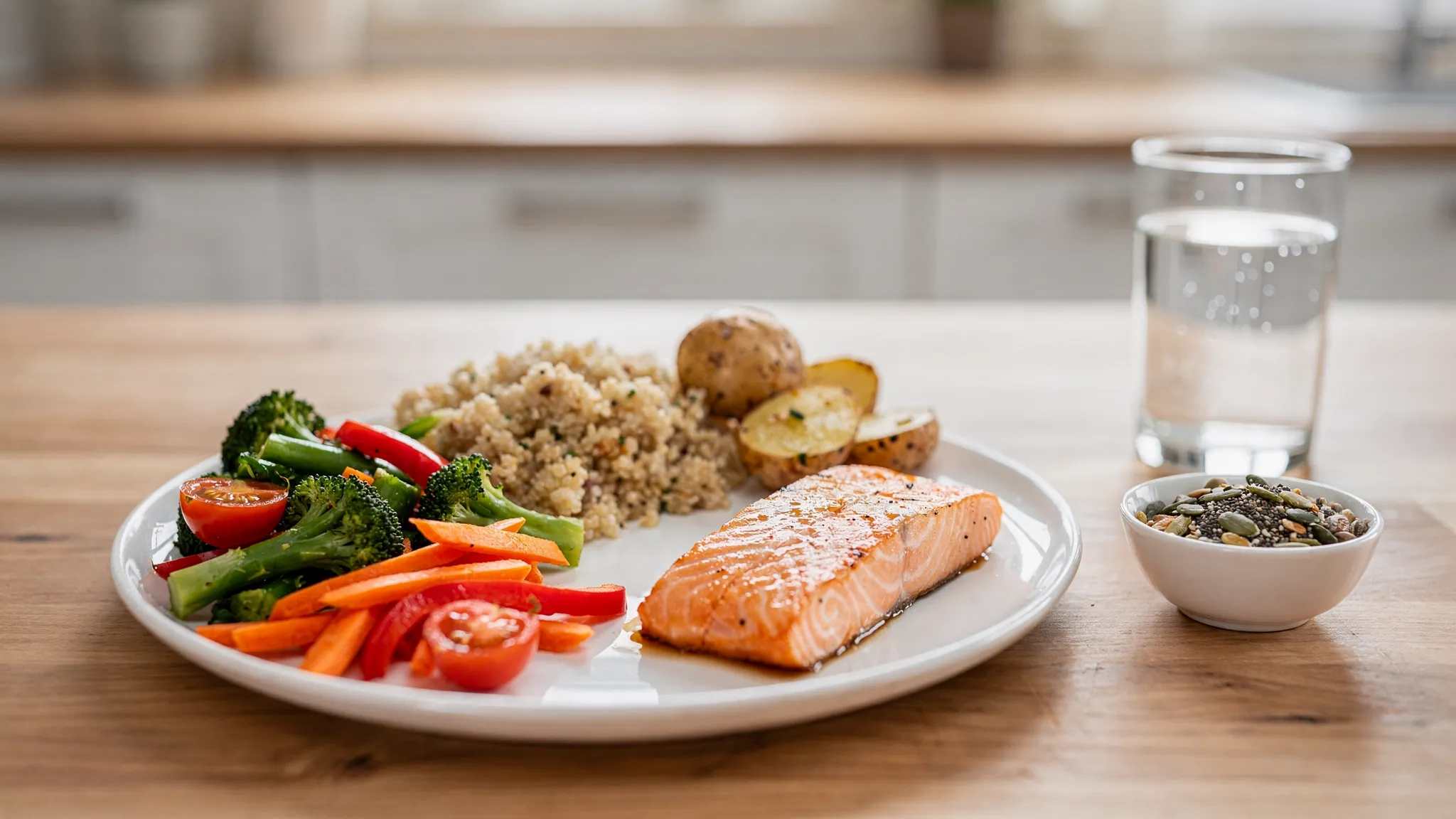
One of the most practical tools I teach clients is the balanced plate method. You do not need to track anything, just aim for:
- Protein: chicken, fish, eggs, yoghurt, tofu, tempeh, beans, lentils
- Fibre-rich carbohydrates: potatoes with skin, oats, brown rice, quinoa, wholegrain bread, beans, lentils
- Colour and crunch: vegetables and/or fruit (think variety)
- Healthy fats: olive oil, nuts, seeds, avocado, olives
Here is a quick reference you can screenshot:
| Simple change | Why it can help energy and mood | Easy example |
|---|---|---|
| Add protein to breakfast | Helps steadier blood sugar and better satiety | Porridge plus chia and yoghurt |
| Add 2 colours at lunch | Improves micronutrient and fibre intake | Soup plus side salad and seeds |
| Swap one refined snack | Reduces afternoon crash and cravings | Biscuits to nuts and fruit |
| Include omega-3 twice weekly | Supports brain health and inflammation balance | Salmon, sardines, or chia/flax daily |
| Drink water before coffee top-ups | Dehydration can mimic fatigue | Water on waking and mid-morning |
| Eat regularly (most days) | Skipping meals can worsen dips and overeating | Breakfast, lunch, dinner, optional snack |
3) Upgrade snacks (without banning them)
Snacks are not the problem. Unbalanced snacks are the problem.
If your snack is mainly sugar or refined carbs, you might get a quick lift, then a slump. Try pairing carbohydrates with protein or fat for a steadier feel.
Steadier snack ideas:
- Apple or pear plus peanut butter
- Oatcakes plus cheese or hummus
- A small handful of nuts plus fruit
- Carrot sticks plus hummus
- Greek yoghurt with cinnamon
If you often feel “hangry”, consider whether the real issue is that lunch is too light (very common when people are trying to be “good”). A more balanced lunch can remove the need to graze all afternoon.
4) Watch the liquid energy traps (coffee, alcohol, and sugary drinks)
Caffeine
Coffee can absolutely be part of a healthy diet, but timing and amount matter. If you are relying on caffeine to get through the day, it is worth asking what your body is trying to tell you.
Gentle caffeine tweaks that often help:
- Have breakfast (or at least a protein snack) before your second coffee
- Aim for a caffeine cut-off in the early afternoon if sleep is fragile
- Notice if caffeine worsens anxiety, palpitations, or hot flushes
Alcohol
Alcohol can make you feel relaxed initially, but it can disrupt sleep quality and blood sugar, which can affect mood the next day. If energy and mood are your focus, try reducing frequency first rather than aiming for “never”.
5) Support your mood with key nutrients (food first)
A healthy diet is not just about calories, it is about nutrient sufficiency. Common nutrients I look at when someone has low energy, poor focus, or low mood include:
- Iron: important for oxygen delivery. Low iron can contribute to fatigue (especially with heavy periods).
- Vitamin B12 and folate: involved in energy metabolism and nervous system health.
- Vitamin D: important for immune and bone health, and may influence mood in some people.
- Magnesium: supports energy production and the nervous system.
- Omega-3 fats: support brain health and inflammation balance.
Food sources to lean on:
- Iron: red meat, lentils, beans, spinach, pumpkin seeds (pair plant iron with vitamin C foods like peppers, broccoli, citrus)
- B12: animal foods, fortified plant milks, nutritional yeast (check labels)
- Folate: leafy greens, legumes, asparagus, broccoli
- Magnesium: nuts, seeds, legumes, wholegrains, dark chocolate (in sensible portions)
- Omega-3: oily fish (salmon, sardines, mackerel), plus flax/chia/walnuts
If fatigue or low mood is persistent, it is sensible to speak with your GP about appropriate testing, particularly if you have heavy periods, digestive issues, or dietary restrictions.
Some people also like to go deeper with comprehensive private testing. If that is you, a service such as biomarker testing through Vitals Vault can be one way to access a broad set of labs and track changes over time (always interpret results in context with a qualified clinician).
6) Feed your gut (gently) for better energy
Gut issues and low energy often travel together. If digestion is struggling, you may not break down and absorb nutrients as efficiently, and inflammation can increase.
Simple gut-supportive steps (that do not require a strict diet):
- Increase fibre gradually: add one extra portion of vegetables or beans per day and build slowly.
- Aim for plant variety across the week: different plants feed different beneficial gut bacteria.
- Try fermented foods if tolerated: live yoghurt, kefir, sauerkraut, kimchi.
- Slow down at meals: a stressed nervous system can reduce digestive secretions.
If you have significant bloating, pain, diarrhoea, constipation, or reflux, it is worth getting personalised support. Some people do well with short-term strategies such as a guided Low FODMAP approach, but it should be done carefully and not as a long-term “clean eating” plan.
7) Don’t underestimate the basics: hydration, movement, and daylight
A healthy diet works best when it is paired with a few simple lifestyle anchors.
- Hydration: even mild dehydration can feel like fatigue and headaches. A good starting point is regular water intake through the day, plus extra if you are active.
- Movement snacks: a 10 minute walk after lunch can support blood sugar regulation and afternoon energy.
- Daylight in the morning: natural light helps set your body clock, which supports better sleep, and better sleep supports better mood.
These are not “extras”, they are part of the energy picture.
A simple one-day template (mix and match)
If you want a practical starting point, here is a gentle structure that works for many people. Adjust portions to your appetite, activity, and goals.
| Meal | Balanced option | Quick alternative |
|---|---|---|
| Breakfast | Eggs plus wholegrain toast plus fruit | Greek yoghurt, berries, seeds |
| Lunch | Big salad bowl plus chicken/tofu plus olive oil dressing plus carbs | Soup plus wholegrain roll plus cheese/hummus |
| Snack (optional) | Fruit plus nuts | Oatcakes plus hummus |
| Dinner | Half plate veg, protein, fibre-rich carbs | Stir-fry with tofu/prawns plus veg plus rice |
If you are aiming for weight loss, this approach can still work because it tends to reduce cravings and mindless snacking, without needing you to cut out foods you enjoy.
When to seek extra support
Please do not assume tiredness or low mood is “just life”. Nutrition can help, but it is not the only factor.
Consider speaking to your GP (and seeking personalised nutrition support) if you have:
- Fatigue that lasts weeks despite rest
- Low mood, anxiety, or sleep problems that feel out of character
- Heavy periods, breathlessness, hair shedding, or dizziness
- Digestive symptoms (pain, blood in stool, unexplained weight loss, persistent diarrhoea)
- Menopause symptoms that are significantly affecting quality of life
A joined-up plan often works best, nutrition alongside appropriate medical care.
Frequently Asked Questions
How quickly will a healthy diet improve my energy and mood? Many people notice steadier energy within 1 to 2 weeks of balancing meals and improving breakfast. Deeper changes (sleep, cravings, body composition) often take longer, especially if nutrient stores are low.
What is the single best change to make first? Add protein to breakfast (or your first meal). It is simple, it supports blood sugar, and it often reduces cravings later in the day.
Do I need to cut out sugar completely? Usually, no. Most people do better with a reduction in ultra-processed snacks and a focus on balanced meals, rather than strict rules that feel stressful.
Can food really affect mood? It can support mood, yes, via blood sugar stability, nutrient sufficiency, gut health, and inflammation balance. That said, mood is multifactorial, and it is always okay to seek support beyond nutrition.
What if I am in menopause and feel exhausted all the time? Hormonal changes, sleep disruption, and stress can all play a role. A steady-energy plate (protein, fibre, healthy fats), caffeine timing, and key nutrients like iron, B vitamins, magnesium, and omega-3s can be a good place to start.
Should I take supplements for energy? Sometimes, but it depends on the person. Food first is ideal, and testing can be helpful when symptoms persist. If you are considering supplements, it is best to do so with professional guidance, especially if you take medication or have a health condition.
Ready to make this personal?
If you would like support turning these ideas into a plan that fits your lifestyle (and your body), you are very welcome to get in touch. I offer a free 15-minute consultation so we can talk through what is going on for you, and what kind of approach might feel realistic.
I am based in Nantwich, Cheshire, and I also work with clients nationwide via video call. If you are ready for calmer energy, better mood, and a healthier diet that actually suits you, I would love to help.