
Bloating is one of the most common digestive complaints people experience, yet it is often dismissed as something normal or unavoidable. Many people live with daily abdominal discomfort, feeling full or swollen after meals, and assume it is simply part of modern life.
In reality, persistent bloating is usually a sign that something within the digestive system is not functioning optimally. Your gut is constantly communicating with you through symptoms, and bloating is often one of the clearest signals that something needs attention.
Understanding the hidden causes of bloating can help you identify what your body may be trying to tell you and allow you to take practical steps towards improving digestive health.
What is bloating
Bloating typically refers to a sensation of fullness or pressure in the abdomen, often accompanied by visible swelling of the stomach area. Some people describe it as feeling tight or uncomfortable after eating, while others experience excessive gas or digestive discomfort throughout the day.
Occasional bloating can be normal, especially after large meals or eating certain foods. However, when bloating becomes frequent or persistent it may indicate an underlying digestive imbalance.
Why bloating happens
The digestive system relies on a series of carefully coordinated processes including stomach acid production, enzyme activity, gut motility and a balanced gut microbiome. When any of these processes become disrupted, food may not be digested properly. This can lead to increased fermentation in the gut and the production of excess gas, which contributes to bloating.
Bloating can also be influenced by inflammation, food sensitivities, hormonal changes and stress.
The hidden causes of bloating
Poor digestion
One of the most common causes of bloating is inefficient digestion. If food is not broken down properly in the stomach and small intestine it can reach the large intestine partially undigested. When this happens, gut bacteria ferment the food and produce gas as a byproduct.
Low stomach acid, insufficient digestive enzymes and eating too quickly can all contribute to this process.
Gut microbiome imbalance
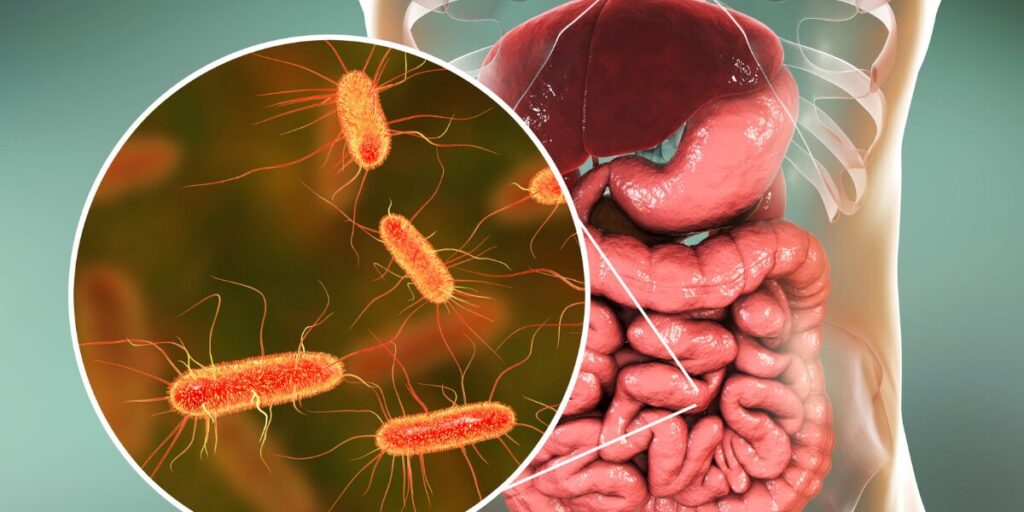
The gut microbiome refers to the trillions of microorganisms that live within the digestive tract. These bacteria play an important role in digestion, immune function and overall health.
When the balance of beneficial and harmful bacteria becomes disrupted, it can lead to excessive fermentation in the gut. This imbalance can occur after illness, antibiotic use, chronic stress or long periods of poor dietary habits.
A disrupted microbiome may result in symptoms such as bloating, gas, fatigue, skin issues and changes in bowel habits.
Food intolerances
Food intolerances are another common driver of bloating. Unlike food allergies, intolerances often cause digestive symptoms rather than immediate immune reactions.
Lactose intolerance is one of the most widely recognised examples, but many people also struggle to digest certain fermentable carbohydrates found in foods such as onions, garlic, apples and wheat.
These carbohydrates can be fermented by gut bacteria, leading to increased gas production and abdominal distension.
Excess fermentable carbohydrates
Some foods contain carbohydrates that are more difficult for the digestive system to absorb. These carbohydrates can travel to the large intestine where they are fermented by bacteria.
While these foods can be healthy for many people, individuals with sensitive digestion may experience bloating when consuming large amounts of them.
A short term reduction in these foods, often referred to as a low FODMAP approach, can sometimes help identify which foods may be contributing to symptoms.
Stress and the gut brain connection
The digestive system and nervous system are closely connected through what is known as the gut brain axis. When we are stressed, anxious or constantly rushing through meals, digestion can slow down and become less efficient.
Stress can affect stomach acid production, gut motility and the balance of gut bacteria. Over time this can contribute to symptoms such as bloating, reflux and abdominal discomfort.
Learning to slow down during meals and supporting the nervous system can have a surprisingly positive impact on digestion.
Hormonal changes
Hormones can also influence digestive function. Many women notice increased bloating during certain phases of the menstrual cycle due to hormonal fluctuations.
Changes in oestrogen and progesterone can affect fluid balance, gut motility and the way the body processes food.
For some women, digestive symptoms become more noticeable during perimenopause or menopause as hormone levels change.
Eating habits and lifestyle factors
The way we eat can be just as important as what we eat. Eating quickly, skipping meals and relying heavily on processed foods can place additional strain on the digestive system.
Common habits that contribute to bloating include eating too quickly, not chewing food thoroughly, drinking excessive amounts of carbonated beverages and consuming large meals late in the evening.
Improving these habits can often make a significant difference to digestive comfort.
What your gut may be trying to tell you
When bloating becomes a regular occurrence, it is often a sign that the digestive system needs support. Rather than simply trying to mask symptoms, it can be helpful to explore the underlying drivers.
Your gut may be signalling that digestion needs strengthening, that certain foods are not being tolerated well, or that the balance of bacteria in the gut has shifted.
Listening to these signals can provide valuable clues about what the body needs in order to restore balance.
Supporting digestive health naturally
Improving digestion does not usually require extreme dietary restrictions. In many cases, simple changes can help restore balance within the digestive system.
Focus on whole foods
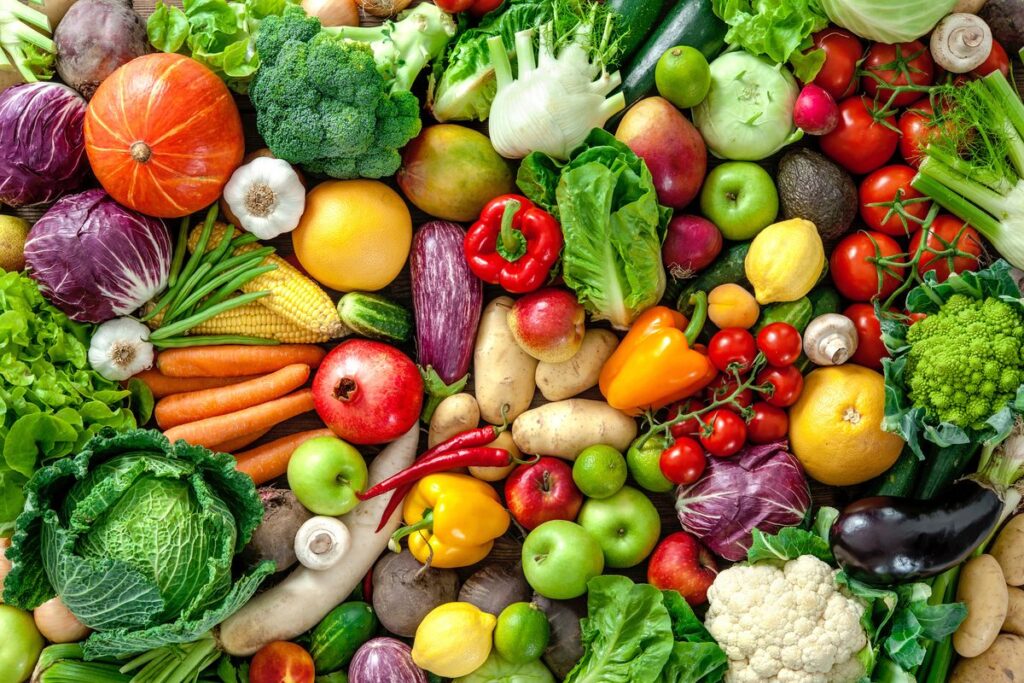
A diet rich in whole, minimally processed foods provides fibre, vitamins and minerals that support the gut microbiome and digestive function.
Vegetables, fruits, whole grains, legumes, nuts and seeds can all contribute to a diverse and healthy microbiome when introduced in appropriate amounts.
Eat slowly and mindfully
Taking time to chew food thoroughly and eating in a relaxed environment can significantly improve digestion. Slowing down helps the body activate digestive processes and allows enzymes to work more efficiently.
Support gut bacteria
Including fermented foods such as kefir, yoghurt, sauerkraut and kimchi can help introduce beneficial bacteria into the gut.
Prebiotic foods such as onions, garlic, oats and bananas can also support the growth of beneficial microbes when tolerated.
Identify potential trigger foods
If bloating is persistent, temporarily reducing certain fermentable foods and gradually reintroducing them can help identify specific triggers.
Working with a qualified practitioner can help ensure this process is done safely and effectively.
When to seek support
If bloating is frequent, uncomfortable or affecting your quality of life, it may be worth looking at your digestive health in more detail. Digestive symptoms rarely occur without a reason, and identifying the root cause can help guide the most effective approach.
By understanding what your gut may be trying to communicate, it becomes possible to support digestion, improve comfort and restore confidence in how your body feels after eating.
If you are struggling with bloating, digestive discomfort or other gut related symptoms, personalised nutritional support can help uncover the underlying causes and create a plan tailored to your needs.