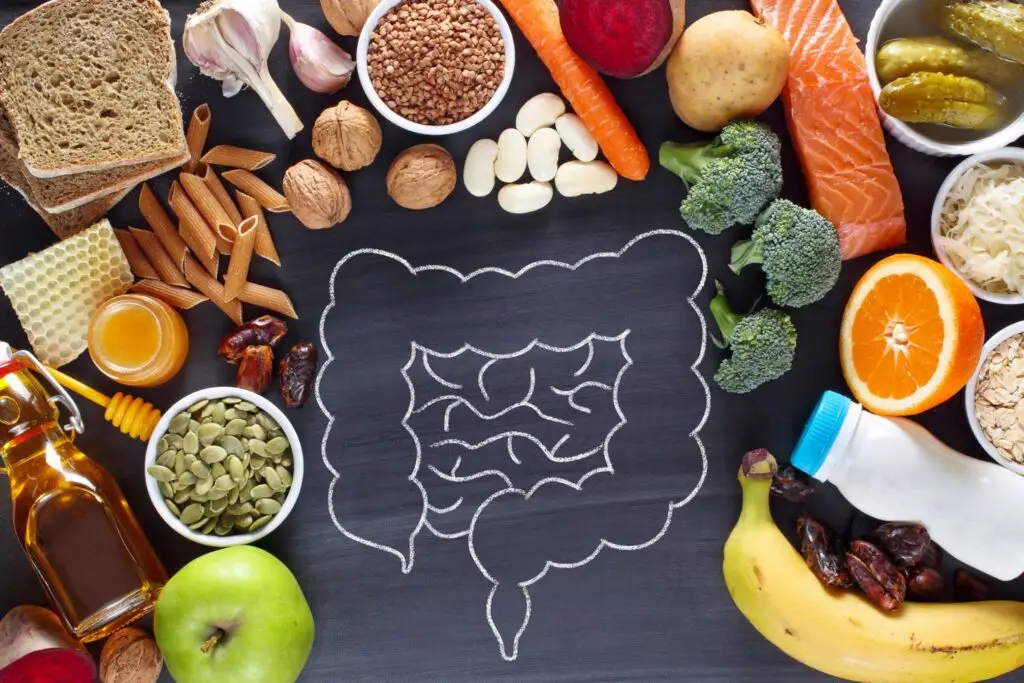

Probiotics are live microorganisms—like specific strains of Lactobacillus or Bifidobacterium—that offer health benefits when consumed in adequate amounts. You’ll commonly find them in fermented foods such as yogurt, sauerkraut, kefir, and kombucha, as well as in supplement form. Their main role is to help balance and support the existing gut microbiota, aiding digestion and immune function.
Prebiotics, in contrast, are nondigestible fibers—like inulin, FOS, GOS, and resistant starch—that serve as food for gut bacteria. They pass through the upper digestive tract and are fermented in the colon by beneficial microbes. This process boosts bacterial activity, leading to health-promoting byproducts like short-chain fatty acids (SCFAs).
Think of probiotics as the seeds and prebiotics as the fertilizer—both are needed for a thriving gut garden.
How They Support Your Health
When consumed together—sometimes referred to as synbiotics—probiotics and prebiotics can deliver enhanced benefits. Synbiotics combine live beneficial microbes with their preferred fuel, improving survival, colonization, and activity in the gut.
This synergy can result in a wide range of positive effects:
-
- Improved digestion and bowel regularity, including relief from IBS or constipation
-
- Enhanced immune function via increased IgA and balanced inflammatory responses
-
- Reduced risk factors like high LDL cholesterol and elevated blood sugar levels
-
- Better calcium absorption to support bone health
-
- Potential mood and cognitive benefits through the gut-brain axis
Real Food Sources for Daily Use
Probiotic-rich foods: yogurt with live cultures, kefir, kimchi, sauerkraut, tempeh, miso, and certain cheeses. These foods not only provide beneficial bacteria but also nutrients like calcium and B vitamins.
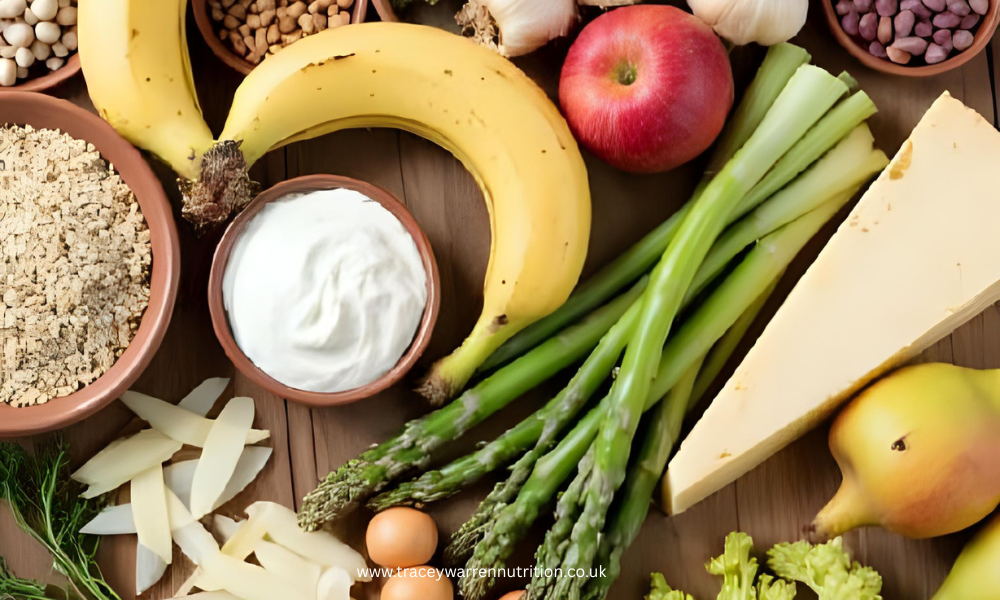
Prebiotic-rich foods: garlic, onions, leeks, bananas (especially green), asparagus, Jerusalem artichoke, whole grains, legumes, pears, apples, and oats. These fibres pass through digestion and feed your gut microbes.
Safety Notes and Practical Considerations
While generally safe, probiotics may not be right for everyone—especially those with weakened immune systems or certain medical conditions. It’s wise to consult a healthcare provider before starting supplements.
Not all fermented foods contain live probiotics; some are heat-treated and therefore lack live cultures.
Prebiotic intake can sometimes cause bloating or gas, especially in those sensitive to fermentable fibres or with IBS.
Summary: Why They Matter
-
- Probiotics add beneficial microbes to your gut.
-
- Prebiotics nourish and support these microbes.
-
- Combined as synbiotics, they cooperate synergistically—boosting gut balance, digestion, immunity, metabolism, and even mental well-being.
How I Can Help:
If you’re struggling with bloating, discomfort, or just can’t seem to get your gut back on track, I can help. Supporting your digestion and restoring balance doesn’t have to be complicated – sometimes it just takes the right plan for you.
Book a free 15-minute discovery call to chat about how we can get your gut feeling great again