

“Eat better” is advice most of us have heard, but it can feel frustratingly vague when you are dealing with real symptoms, a busy life, or a health concern that needs more than generic tips. Food nutrition therapy is about bridging that gap, using food and everyday habits in a structured, personalised way that supports your body, your goals, and your health context.
In this article, I’ll explain what food nutrition therapy actually is, how it works in practice, and who it’s most helpful for (and when you may need a different type of support).
What is food nutrition therapy?
Food nutrition therapy is a personalised, therapeutic approach to nutrition, where food is used as a practical tool to support health and wellbeing. Unlike general healthy-eating advice, it considers:
- Your symptoms and health history
- Your lifestyle, stress levels, sleep, and routines
- Your preferences, budget, and cooking confidence
- Any medications, supplements, and relevant test results
It is also very different from rigid dieting. In a naturopathic nutrition setting, the focus is usually on whole foods, consistency, and small changes that are realistic, rather than perfection.
It’s worth saying clearly: nutrition therapy is not about “curing” illness with food. It is about supporting the body alongside appropriate medical care, and helping you make choices that can improve resilience, energy, digestion, body composition, and quality of life.
How food nutrition therapy works (step by step)
Most people imagine they’ll be handed a meal plan and told to follow it. In reality, good nutrition therapy is more like a process of detective work, education, and steady habit-building.
1) A full picture, not just a food list
A thorough nutrition consultation typically explores:
- Your main goals (for example, weight loss support, menopause symptoms, digestive comfort, cholesterol)
- Your current diet and patterns (including snacking, caffeine, alcohol, meal timing)
- Symptoms (energy dips, cravings, bloating, poor sleep, headaches, low mood)
- Relevant history (including stress, hormonal shifts, recent treatments, gut infections, antibiotics)
If something suggests you need medical assessment first (for example, unexpected weight loss, blood in stools, persistent vomiting, difficulty swallowing, or severe fatigue), a responsible practitioner will encourage you to speak with your GP.
2) A personalised plan built around “food first”
You’ll usually come away with a clear plan that fits your life. That might include:
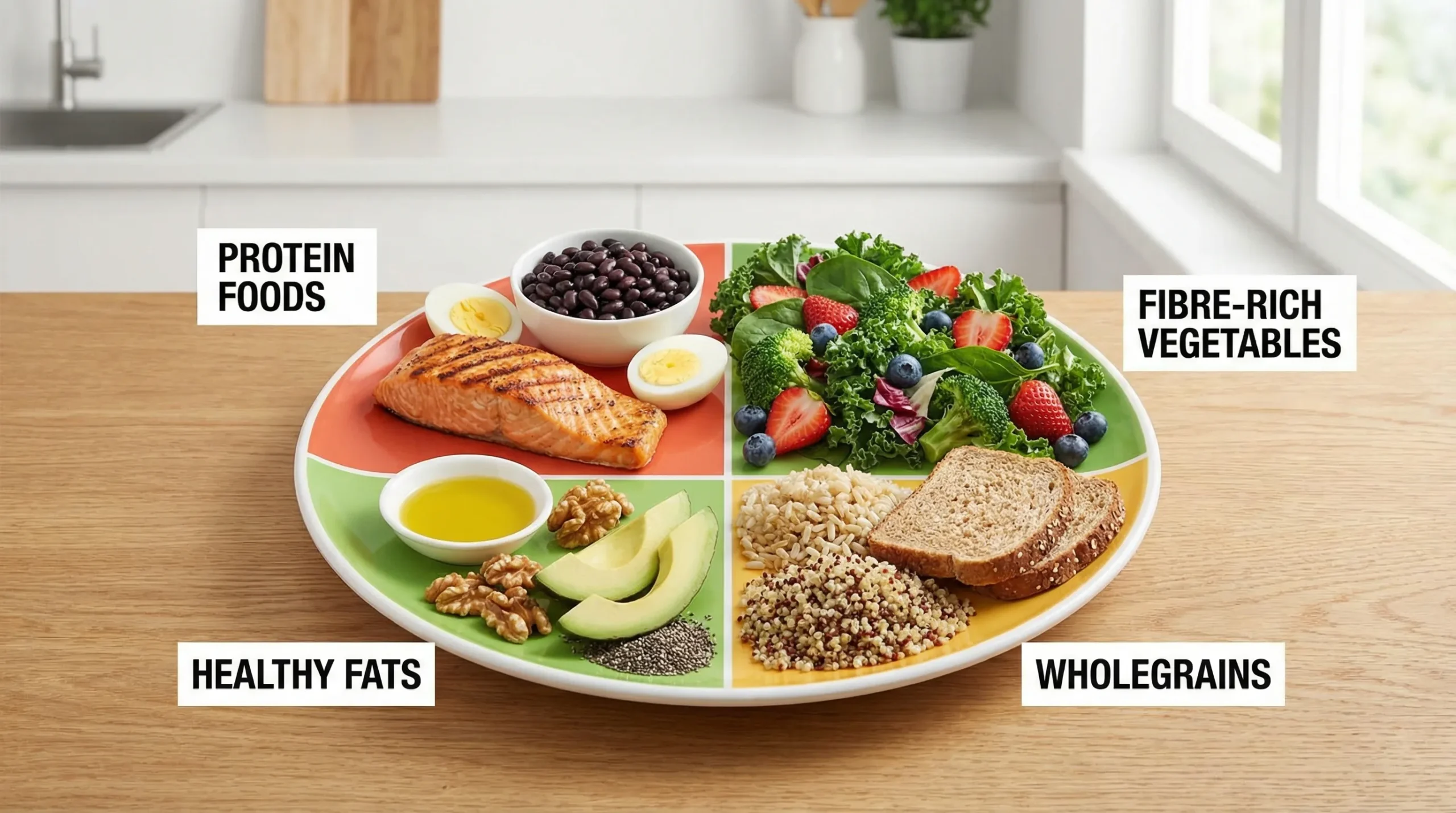
- A simple “plate template” you can repeat
- Meal and snack ideas tailored to your schedule
- A focus area (for example, protein at breakfast, fibre slowly increased, or blood sugar support)
- Optional supplement suggestions, where appropriate (and only when safe for you)
For evidence-based general dietary foundations, resources like the NHS Eatwell Guide are a helpful baseline. Nutrition therapy then builds on that baseline with personalisation.
3) Progress tracking and troubleshooting
This is the part many people miss when they try to do it alone. Symptoms and results are rarely linear, especially with menopause, gut issues, or long-term weight struggles.
Ongoing support helps you:
- Adjust the plan if something is not working
- Spot patterns (for example, stress-driven cravings or certain fibre foods triggering bloating)
- Stay consistent without burning out
Here’s a simple view of how that process often looks:
| Stage | What you do | What it’s trying to achieve |
|---|---|---|
| Assess | Review health history, symptoms, routines, food patterns | Find likely drivers and priorities |
| Foundations | Build balanced meals, hydration, protein and fibre habits | Stabilise energy, appetite, digestion |
| Personalise | Target your key concern (menopause, gut, cholesterol, weight) | Make changes more specific and effective |
| Refine | Track outcomes and adjust | Improve results and sustainability |
Who is food nutrition therapy for?
Food nutrition therapy can be helpful for a wide range of people, but it tends to be especially valuable if you feel you’ve already “tried eating healthy” and still aren’t getting the results you want.
It’s often a great fit if you are:
- Trying to lose weight without extreme dieting (especially if you are over 40 and feel your body has changed)
- In perimenopause or menopause, dealing with fatigue, cravings, sleep disruption, mood changes, joint aches, or shifting body composition
- Struggling with gut symptoms like bloating, reflux, irregular bowel habits, or food sensitivities
- Managing cholesterol or blood sugar concerns, and want practical dietary steps that you can actually stick to
- Recovering after treatment or illness, where nutrition can support energy, appetite, and rebuilding strength (in collaboration with your medical team)
- Feeling tired all the time, with suspected nutrient gaps, poor appetite regulation, or inconsistent meal patterns
It may not be the right starting point if:
- You have symptoms that need urgent medical investigation (your GP should be first stop)
- You need specialist clinical dietetics input (for example, complex kidney disease nutrition, tube feeding, acute malnutrition)
- You’re experiencing an active eating disorder, or food anxiety is severe (a specialist eating disorder team is more appropriate)
A good practitioner will tell you this honestly and help signpost you.
What food nutrition therapy can support (without overpromising)
Nutrition therapy is best thought of as supportive care, helping your body function at its best by improving nutrient intake, stabilising blood sugar, supporting gut function, and reducing the “friction” in your daily routine.
Common goals include:
- Steadier energy and fewer crashes
- Better appetite control and fewer intense cravings
- More comfortable digestion
- Support for hormonal transitions (including perimenopause and menopause)
- Cardiometabolic support (cholesterol, blood pressure, insulin resistance risk)
- More confidence around food and routines
If you are unsure whether your situation is a fit, this guide on when to consult nutrition support for lasting results can help you sense-check what level of support you might need.
What to expect from a first appointment
A first session is usually a mix of listening, clarifying, and creating a plan that feels doable.
You can expect:
- Lots of questions (because symptoms have context)
- Clear priorities (so you are not trying to fix everything at once)
- Practical next steps you can start immediately
- A plan that fits your preferences (including vegetarian, vegan, or family meals)
And importantly, you should feel supported, not judged.

The “why” behind the recommendations (in plain English)
When food nutrition therapy works well, it usually improves a few core areas that affect almost everything else.
Blood sugar stability
You do not need a glucose monitor to benefit from steadier blood sugar. Many people feel better when meals include:
- A solid protein source
- Fibre-rich carbohydrates (vegetables, pulses, wholegrains, fruit)
- Healthy fats
This tends to support steadier energy, fewer cravings, and better satiety.
Protein and muscle maintenance (especially over 40)
Protein needs often increase with age and during menopause, largely because we become more vulnerable to age-related muscle loss. If you want a practical starting point, Tracey’s protein calculator and guide is a helpful tool to estimate a sensible daily range.
Gut function and the microbiome
Your gut does far more than digest food. It influences immune function, nutrient absorption, inflammation, and even mood. Nutrition therapy may support this through a gradual, personalised approach to fibre, meal timing, and (when appropriate) fermented foods.
For reliable gut-health basics, the British Dietetic Association has patient-friendly information on digestive topics, including probiotics.
Inflammation and nutrient density
Inflammation is complex and not something to “switch off” overnight. However, research consistently suggests that dietary patterns rich in minimally processed foods, fibre, and unsaturated fats are associated with better long-term health outcomes. Nutrition therapy focuses on what you can do consistently, rather than chasing perfect.
Small, realistic changes that often make the biggest difference
A personalised plan will always be individual, but these are examples of changes that are often effective because they are simple and repeatable:
- Upgrade breakfast: aim for a protein-based breakfast (eggs, Greek yoghurt, tofu scramble, protein smoothie) rather than a cereal-only start.
- Use a “3-part plate”: protein + colour/fibre + healthy fat at most meals.
- Add fibre slowly: especially if you bloat easily, the goal is gradual, not sudden.
- Create a 3pm plan: a planned snack (for example, yoghurt and berries, hummus and oatcakes, nuts and fruit) can prevent the late-afternoon slump and evening grazing.
- Make dinners repeatable: two or three go-to meals you can rotate reduces decision fatigue.
These are the kinds of habits that support weight loss and energy without turning your life into a food project.
A quick note on oral health, chewing, and food choices
This might surprise you, but oral health can affect nutrition in very practical ways. If chewing is uncomfortable, you may avoid protein foods (like steak), crunchy vegetables, or higher-fibre options that are supportive for gut health.
If you are going through orthodontic treatment (for example, aligners), it can help to have nutrient-dense “soft but satisfying” meal ideas so you’re not living on beige carbs. If you want to understand what modern aligner-led treatment involves, this digital orthodontics clinic gives a good overview of 3D-planned orthodontic care and what patients typically consider.
Food nutrition therapy in real life (especially here in Cheshire)
If you’re local to Nantwich, Crewe, Chester, Sandbach, Northwich, Congleton, Wilmslow or surrounding areas, one of the easiest ways to make healthy eating feel simpler is to lean into seasonal, accessible foods.
You do not need “superfoods”. A seasonal Cheshire approach can look like:
- Using spring greens, leeks, mushrooms, berries, apples, and root veg as your repeat staples
- Choosing fish, eggs, pulses, yoghurt, tofu, or lean meats as your protein anchors
- Batch-cooking one or two sauces, soups, or traybakes so weekday meals are low effort
The goal is not to eat perfectly, it’s to make the healthier choice the easy choice.
The bottom line
Food nutrition therapy is for you if you want a clear, personalised plan that connects the dots between your symptoms, your lifestyle, and what you eat, without extreme rules. It can be particularly supportive for weight loss, gut health, menopause transitions, energy issues, and cardiometabolic goals, always alongside appropriate medical care.
If you’d like help figuring out what would make the biggest difference for you, you’re very welcome to book a free 15-minute consultation with Tracey. It’s a relaxed chat to understand what’s going on and whether nutrition therapy is a good fit. You can find details via Tracey Warren Nutrition.