
Nutrition During
Chemotherapy
A practical, honest guide to eating well before and during cancer treatment. What to eat, what to avoid, how to manage side effects through food – and how to support someone you love.
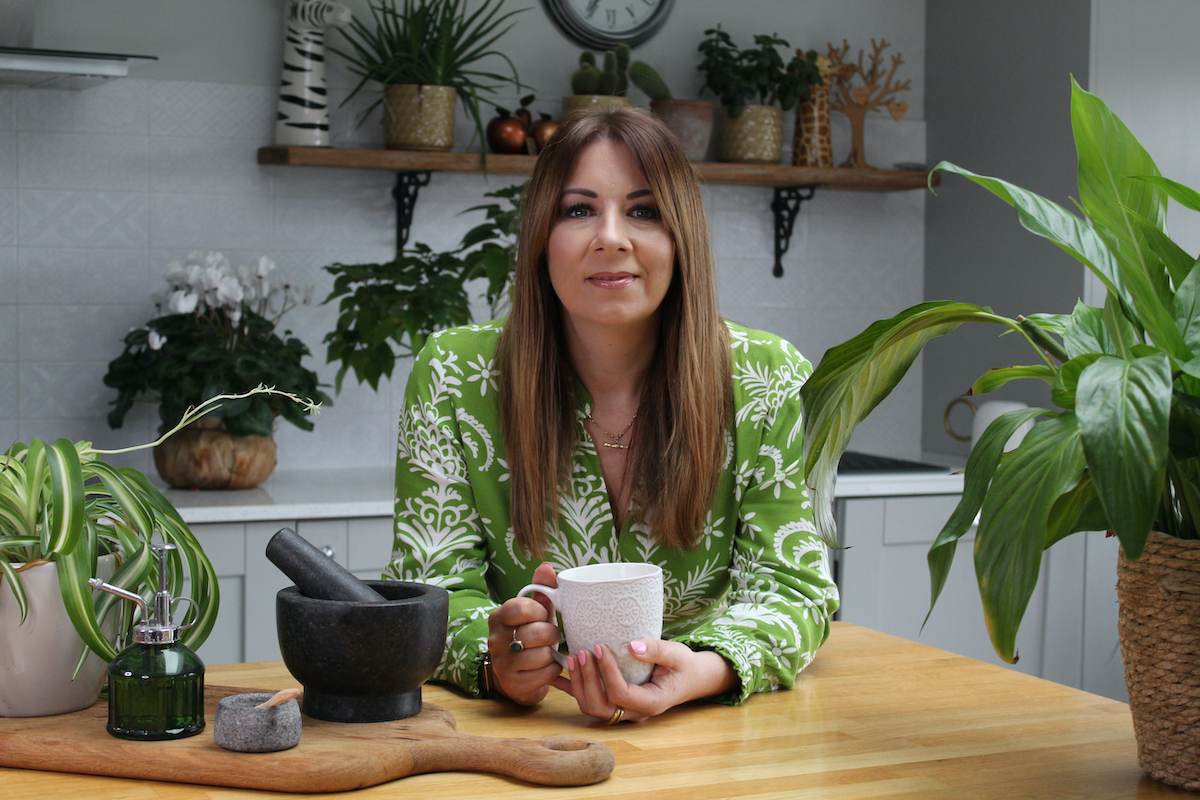
Tracey Warren
Chemotherapy is one of the hardest things a body can go through. Nutrition will not cure cancer. But it can make treatment more tolerable, help your body recover more effectively between cycles, reduce the severity of some side effects and protect the healthy tissue your body is working hard to maintain.
“You do not need to eat perfectly during chemo. You need to eat enough. This guide will help you find what works for your body, your treatment and your life right now.”
What nutrition can and cannot do
during chemotherapy
It is important to be honest about this. Nutrition is not a cancer treatment. But it is a powerful tool for supporting your body through one.
What good nutrition during chemo can do
Support immune function between cycles. Reduce the severity of nausea, fatigue and mouth sores. Help maintain muscle mass. Support faster recovery. Improve your ability to tolerate treatment. Help your energy on better days.
What nutrition cannot do
Nutrition cannot cure cancer or replace your medical treatment. No food or supplement can do this and anyone suggesting otherwise should be treated with great caution. Your oncology team are your primary support.
The most important thing to know
During chemotherapy your priority is eating enough – not eating perfectly. If you are nauseous and struggling to eat at all, getting enough calories from whatever you can manage is more important than nutritional quality. Survival mode is valid.
Malnutrition is a real risk
Many chemotherapy patients lose significant weight and muscle mass during treatment. This is not inevitable. Adequate nutrition – particularly protein – is one of the most powerful things you can do to maintain strength and support recovery.
Before Chemotherapy Starts
How to prepare your body in the weeks before treatment begins
If you have time before treatment begins there are meaningful things you can do to prepare your body. A well-nourished body tolerates chemotherapy better, recovers faster between cycles and is better equipped to maintain muscle mass throughout.
Build your protein stores
Chemotherapy breaks down muscle tissue. The more muscle you go in with the more you have to lose before it becomes a problem. Aim for 1.2-1.6g protein per kg of body weight daily. Eggs, chicken, fish, Greek yoghurt and lentils are your priorities.
Eat a wide range of colours
Different coloured fruits and vegetables contain different phytonutrients and antioxidants that support cellular health and immunity. Before chemo is the time to eat as wide a variety as possible.
Support your gut microbiome
Chemotherapy significantly disrupts the gut microbiome. Starting treatment with a healthy gut gives you a better foundation. Eat fermented foods daily – natural yoghurt, kefir, sauerkraut, kimchi, miso.
Hydrate thoroughly
Many chemotherapy drugs are processed through the kidneys. Going into treatment well hydrated supports kidney function. Aim for 2 litres of water daily in the weeks before treatment starts.
Reduce alcohol and ultra-processed food
Alcohol places significant strain on the liver which will work hard to process chemotherapy drugs. Ultra-processed food is inflammatory and depletes the nutritional reserves you need.
Discuss supplements with your oncologist first
Some supplements that are beneficial normally can interfere with chemotherapy drugs. High-dose antioxidants in particular can reduce the effectiveness of certain treatments. Check before starting anything new.
A note on weight before treatment: If you are underweight, gaining weight is a priority. If you are overweight, now is not the time to lose weight – your body needs reserves. Focus on the quality of what you eat, not the number on the scale.
During Chemotherapy
The nutritional principles that matter most throughout treatment
During active treatment your nutritional needs change significantly. Your body is under extreme stress, appetite may be unreliable and some foods that were helpful before may now be difficult. Here are the principles that matter most.
Protein is your single highest priority
Chemotherapy damages and destroys cells. Protein is what your body uses to repair and rebuild. Aim for protein at every meal and snack – even small amounts every few hours are better than one large protein-rich meal. If eating is very difficult, prioritise protein over everything else.
Eat little and often – do not skip meals
Large meals are often harder to manage during treatment. Five to six small meals or snacks spread through the day is usually more effective than three larger ones. Eating when you feel least nauseous – often earlier in the day – is an important strategy.
Hydration is critical – and harder than it sounds
Vomiting, diarrhoea and reduced appetite all cause dehydration. Dehydration worsens fatigue, nausea and brain fog significantly. Aim for 2-3 litres of fluid daily. Water, coconut water, herbal teas, broths and soups all count. Small sips constantly is better than large amounts at once.
Eating enough matters more than eating perfectly
On the hardest days if plain toast, crackers and ginger biscuits are what you can manage – that is what you eat. Do not add guilt to everything else your body is going through. On better days aim for more nutritional variety. Give yourself permission to survive the hard days.
Food safety matters more than usual
Chemotherapy suppresses the immune system. During treatment you are more vulnerable to foodborne illness. Avoid raw or undercooked meat, fish and eggs. Avoid unpasteurised dairy and raw shellfish. Wash all fruit and vegetables thoroughly. This is not the time for undercooked food.
Managing Side Effects Through Food
Specific strategies for the most common chemotherapy side effects
Every person’s experience of chemotherapy is different. Not everyone experiences all of these side effects and some people experience very few. Use what applies to you.
Nausea is one of the most common side effects. It is often worst in the days immediately following a treatment cycle. Anti-nausea medication from your oncology team is your primary tool – these strategies work alongside it.
- Ginger in any form – tea, crystallised, capsules. The most evidence-backed anti-nausea food available
- Cold or room temperature foods – smell less and are often better tolerated
- Plain crackers or dry toast before getting up in the morning
- Small amounts frequently rather than large meals
- Clear broths, coconut water and diluted juice for hydration
- Peppermint tea – settles the stomach
- Bland foods: plain rice, cooked chicken, banana, cooked apple
- Strong-smelling foods – cooking smells often trigger nausea
- Fatty, greasy or very rich foods which slow digestion
- Spicy food on difficult days
- Favourite foods on treatment day – nausea creates lasting aversions
- Large meals which sit heavily
- Drinking large amounts of fluid with meals
Chemotherapy-related fatigue is different from normal tiredness. It does not always respond to rest and can be overwhelming. Nutrition cannot resolve it entirely but specific strategies can meaningfully reduce its severity.
- Iron-rich foods if blood counts are low – leafy greens, lentils, lean red meat
- B vitamin-rich foods – eggs, lean meat, wholegrains, leafy greens
- Protein at every meal to support muscle maintenance
- Complex carbohydrates for steady energy – oats, sweet potato, wholegrains
- Stay hydrated – even mild dehydration significantly worsens fatigue
- Small frequent meals to keep blood sugar stable
- Sugar and refined carbohydrates – cause energy spikes and crashes
- Skipping meals – drops blood sugar and worsens fatigue
- Large amounts of caffeine – disrupts sleep and worsens fatigue
- Alcohol – inflammatory, depletes B vitamins, disrupts sleep significantly
Mouth sores affect the lining of the mouth and throat. Taste changes are also very common – foods may taste metallic, bitter or like nothing at all. Both make eating significantly harder and require specific strategies.
- Soft, moist foods – smoothies, yoghurt, porridge, mashed potato, scrambled eggs
- Cold or cool foods which are soothing – ice lollies, cold yoghurt, chilled smoothies
- Rinse mouth with saltwater before eating
- Nutrient-dense smoothies and soups when solid food is too painful
- Honey – genuine anti-inflammatory and antimicrobial properties
- Acidic foods – citrus, tomatoes, vinegar, fizzy drinks
- Spicy food which irritates the mouth lining
- Rough or hard textures – toast crusts, raw vegetables, crisps
- Very hot food and drink
- Alcohol-based mouthwash which dries and irritates
Loss of appetite is extremely common during chemotherapy. The goal when appetite is very low is to maximise the nutrition in whatever small amount you can eat – nutrient density becomes critical.
- Add protein powder to smoothies, oats and soups without adding volume – unflavoured is essential during treatment as taste changes make flavoured powders unpalatable
- Add nut butters, avocado and olive oil to increase calories
- Full fat dairy – Greek yoghurt, cheese, whole milk where tolerated
- Fortified smoothies with yoghurt, banana, nut butter and protein powder
- Eat by the clock not by hunger – set reminders every 2-3 hours
- Filling up on low-calorie, low-nutrient foods
- Drinking large amounts of fluid just before eating
- Waiting until you are very hungry – hunger may not return
- Large portions which feel overwhelming
Chemotherapy frequently disrupts the digestive system. Some drugs cause diarrhoea, others constipation, and some cause both at different points in the cycle. Always inform your oncology team about significant digestive symptoms.
- BRAT foods – bananas, rice, cooked apple, plain toast. Gentle and binding.
- Plain cooked chicken and fish
- Coconut water to replace electrolytes
- Boiled or steamed vegetables rather than raw
- Small frequent meals rather than large ones
- Increase fluid intake significantly
- Gentle fibre – oats, cooked veg, stewed prunes, ground flaxseed
- Warm water with lemon first thing in the morning
- Light movement if energy allows
- Prune juice – highly effective and gentle
Treatment Day Nutrition
What to eat on the day of chemotherapy and the days immediately after
Treatment days require a specific approach. Your stomach needs to be settled enough to tolerate the drugs but not empty – an empty stomach worsens nausea significantly. The days immediately following are typically the hardest.
What to Avoid During Chemotherapy
Foods and substances that can interfere with treatment or increase risk
Most foods are safe during chemotherapy. But a small number carry real risks. This is not about perfection – it is about avoiding the things that could genuinely cause harm.
Grapefruit and grapefruit juice
Grapefruit contains compounds that interfere with enzymes responsible for metabolising many chemotherapy drugs. This can cause dangerously high drug levels in your blood. Avoid completely during treatment. Check with your oncologist about other citrus depending on your specific protocol.
Raw and undercooked food
Raw meat, fish, shellfish and eggs carry a risk of foodborne bacteria that your suppressed immune system cannot fight effectively. Ensure all meat and fish is thoroughly cooked, eggs fully cooked. Avoid sushi, sashimi and rare meat entirely during treatment.
Unpasteurised dairy and juices
Unpasteurised cheeses, unpasteurised milk and fresh-pressed juices carry bacterial risks that are small in normal health but significant when immunity is compromised. Stick to pasteurised products throughout treatment.
High-dose antioxidant supplements
This is one of the most important points in this guide. High-dose vitamins C, E, beta-carotene and selenium may reduce the effectiveness of certain chemotherapy drugs by protecting cancer cells from oxidative damage. Do not take these without specific clearance from your oncologist.
Alcohol
Alcohol is processed by the liver which is already working hard to metabolise chemotherapy drugs. It is inflammatory, depletes B vitamins and zinc, disrupts sleep and significantly worsens fatigue. Check with your oncology team – for most protocols regular alcohol during treatment is inadvisable.
Herbal supplements (many)
Many herbal supplements that seem harmless can interfere with chemotherapy. St John’s Wort, Echinacea, high-dose turmeric and many others have known drug interactions. Do not take any herbal supplement without clearance from your oncologist. Culinary herbs in cooking are generally safe.
Buffet and deli counter foods
Food sitting out at buffets and deli counters carries a higher risk of bacterial contamination. During treatment when immunity is suppressed these foods are best avoided. Freshly prepared food is always preferable.
Unwashed produce
Always wash fruit and vegetables thoroughly before eating. The surface of produce can carry bacteria and pesticide residue that your immune system would normally handle easily but that poses greater risk during treatment. This applies even to produce you will peel.
The Most Valuable Foods During Chemotherapy
What to prioritise when appetite and energy are limited
| Food | Key benefit | Specifically helpful for | Easy ways to use it |
| Greek yoghurt | 18-20g protein | Protein without cooking. Probiotic support for gut microbiome. Gentle on a sensitive stomach and easy to eat even with nausea or mouth sores. | Eat plain. Add honey. Blend into smoothies. Mix with banana. |
| Eggs | 6g per egg | Complete protein. Rich in B vitamins for energy. Versatile and quick to prepare in many forms. One of the most valuable foods during treatment. | Scrambled is easiest. Hard boiled in advance. Soft omelette. |
| Oily fish (salmon, sardines) | 25-30g protein | Omega-3 fatty acids are powerfully anti-inflammatory and support brain function. Among the most nutritionally dense foods available. | Tinned sardines need no cooking. Salmon cold from fridge. |
| Ginger | Anti-nausea | The most evidence-backed natural anti-nausea food available. Works across multiple mechanisms in the body. | Fresh ginger tea. Crystallised ginger. Ginger biscuits on bad days. |
| Porridge and oats | Gentle energy | Slow release energy. Gentle on a sensitive stomach. Soluble fibre helps constipation. One of the most universally tolerated foods during treatment. | With nut butter for protein. Overnight oats – no cooking required. |
| Bananas | Easy calories | Easy to eat, gentle on the stomach, binding for diarrhoea, good potassium source. One of the most universally tolerated foods at every stage of treatment. | Plain. Blended into smoothies. Mashed onto toast. Frozen as lollies. |
| Lentils and chickpeas | 18-20g per tin | Plant protein requiring minimal preparation. Rich in iron and B vitamins. Versatile and easy to incorporate into soups and stews. | Tinned – ready to use. Add to soups. Blend for a smooth dip. |
| Bone broth or good quality stock | Gut healing | Rich in collagen and minerals that support gut lining repair. Hydrating and warming. One of the most easily tolerated foods during difficult nausea periods. | Warm mug to sip. Base for soups. Add to rice cooking. |
| Sweet potato | Nutrient dense | Rich in beta-carotene, vitamin C and potassium. Gentle on digestion. Sustaining energy with a gentle sweetness that is often appealing when appetite is low. | Microwaved in 8 minutes. Mashed. Added to soups and stews. |
| Dark berries (frozen) | Antioxidants | Rich in anthocyanins which support cellular health. Anti-inflammatory. Easy to eat in small quantities. Frozen are just as nutritious as fresh. | Plain. In yoghurt. Blended into smoothies. |
Easy Recipes for Every Stage
Gentle, nourishing and quick – for you or for someone cooking for you
All of these recipes are gentle on a sensitive stomach, high in protein or calories, and quick to prepare. They are suitable for difficult days and also for carers preparing food for someone going through treatment.
- 200g Greek yoghurt
- 1 ripe banana
- 1 scoop vanilla protein powder
- 200ml oat milk
- 1 tbsp peanut or almond butter
- 1 tsp honey
- Handful frozen blueberries (optional)
- Add all ingredients to a blender
- Blend until completely smooth
- Serve cold or at room temperature
- Sip slowly – do not rush
- 1 litre good quality chicken stock
- 2cm fresh ginger, sliced
- 1 clove garlic
- 150g cooked chicken, shredded
- Small handful rice noodles (optional)
- Spring onion, salt to taste
- Bring stock to a gentle simmer
- Add ginger and garlic, simmer 10 mins
- Remove ginger and garlic
- Add shredded chicken and noodles if using
- Season very gently and serve warm
- 3 eggs
- 2 tbsp cream cheese or creme fraiche
- Small knob of butter
- Salt – very light
- Optional: soft cooked spinach
- Whisk eggs with cream cheese
- Melt butter over very low heat
- Add egg mixture and stir very slowly
- Remove while still just soft
- Serve on soft white bread or alone
- 2 tins red lentils, drained
- 2 sweet potatoes, peeled and cubed
- 1 litre vegetable stock
- 1 tsp cumin and turmeric
- 1 tin coconut milk
- Garlic, olive oil, salt
- Soften garlic in olive oil 1 minute
- Add sweet potato and spices
- Add lentils, stock and coconut milk
- Simmer 15 minutes until soft
- Blend until completely smooth
- 3 ripe bananas
- 200g Greek yoghurt
- 2 tbsp honey
- Squeeze of lemon (optional)
- Blend all ingredients until smooth
- Pour into ice lolly moulds or small cups
- Freeze at least 4 hours
- Run briefly under warm water to release
- 80g porridge oats
- 300ml oat milk or water
- 1 tbsp peanut or almond butter
- 1 banana, sliced
- 1 tsp honey
- Optional: 1 scoop protein powder stirred in
- Cook oats in oat milk 3-4 minutes
- Stir in nut butter
- Top with banana and honey
- Stir in protein powder if using
A section for the people
caring for someone through chemo
If you are supporting someone through chemotherapy this section is for you. Food is one of the most practical and meaningful things you can offer. Here is how to make it count.
Do not ask what they want to eat
Decision fatigue during chemo is real and overwhelming. “What do you fancy?” is often an impossible question. Instead say “I am making soup – is that okay?” Offer a choice between two specific things. Better still – just make something gentle and leave it in the fridge without expectation.
Cook without strong smells when possible
Cooking smells are one of the biggest nausea triggers during chemo. Prepare food that can be made without strong aromas – cold foods, foods batch cooked earlier and just needing reheating, or food cooked when the person is in a different room.
Keep the fridge stocked with ready-to-eat options
Greek yoghurt, boiled eggs, cooked chicken, pots of soup, bananas, hummus and oatcakes. When there is a small window of appetite or a moment of feeling slightly better – food immediately available without any preparation is one of the most valuable things you can provide.
Do not comment on what they are or are not eating
Saying “you really need to eat more” adds guilt and anxiety to an already overwhelming situation. Trust that the person knows they need to eat. Quiet availability of food is far more helpful than commentary. Never make meal times a source of pressure.
Batch cook on good days
When the person is having a better day – cook in bulk. Soups, stews and chicken portions frozen in individual portions mean that on difficult days there is always something nutritious available with minimal effort from either of you.
Look after yourself too
Carer nutrition matters. You cannot support someone else if you are depleted. Make sure you are eating regularly, sleeping and asking for help when you need it. This is not selfish – it is essential. A carer who is well nourished is a better carer.
“The most loving thing you can do is make food available, make it easy and make it without pressure. A bowl of soup left quietly in the fridge with no expectations attached is one of the most powerful acts of care there is.”
Supplements during chemotherapy
Always discuss supplements with your oncologist before taking them. This is not a general caution – it is a genuine safety issue. High-dose vitamins C, E, beta-carotene and selenium can reduce the effectiveness of certain chemotherapy drugs. St John’s Wort changes how drugs are metabolised. Your oncologist needs to know everything you are taking.
Generally considered safe at standard doses – but always confirm
A standard multivitamin and mineral. Vitamin D at normal supplemental doses. Omega-3 fish oil at standard doses. Probiotics (timing relative to chemo cycles matters). Always confirm with your team before starting.
Avoid or use only with oncologist clearance
High-dose vitamin C, vitamin E, beta-carotene, selenium. St John’s Wort. High-dose turmeric or curcumin. Echinacea. Any supplement marketed as an immune booster or antioxidant in high doses.
during your treatment?
Every cancer treatment, every person and every side effect profile is different. A personalised nutritional therapy consultation gives you a plan built specifically around your diagnosis, your treatment protocol and what your body needs right now. Delivered entirely online from wherever you are.
Book a Free 15-Minute CallFree initial call. No obligation. Entirely online.
straight to your inbox?